Understanding Hormonal Imbalance Symptoms
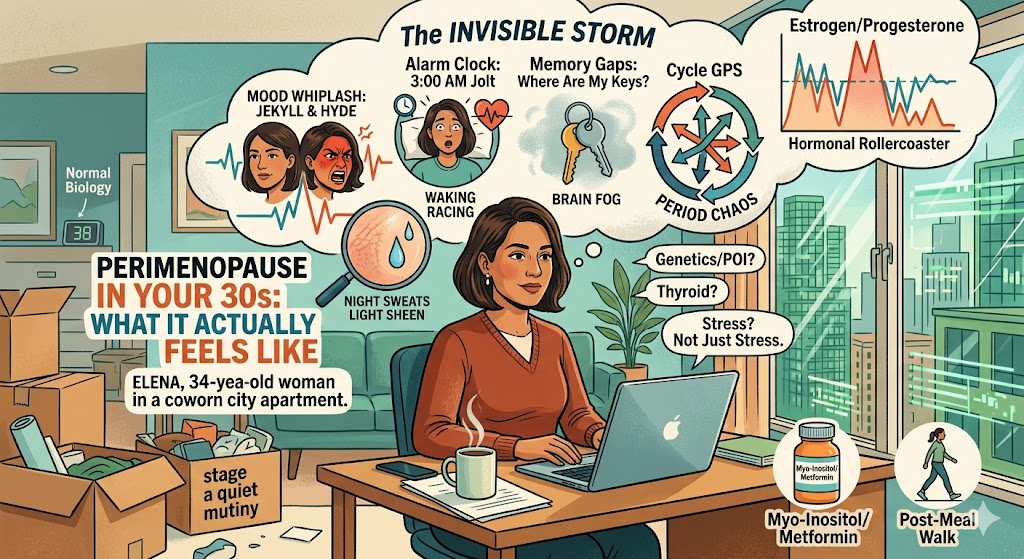
Recognizing the signs of a hormonal imbalance is crucial for proactive health management. These imbalances can manifest in various ways, affecting mood, energy levels, sleep, and physical appearance. Paying attention to persistent changes in your body and mind can be the first step toward identifying and addressing these issues.
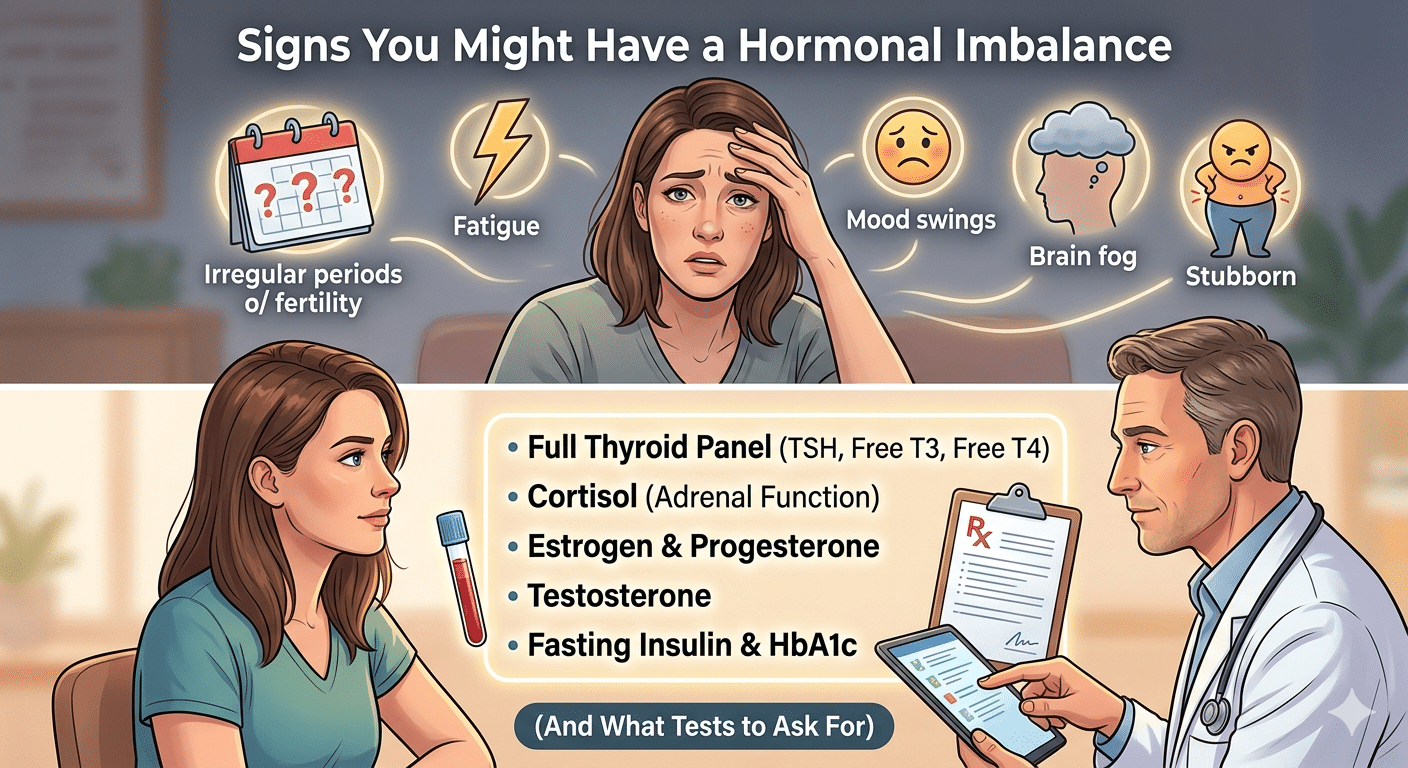
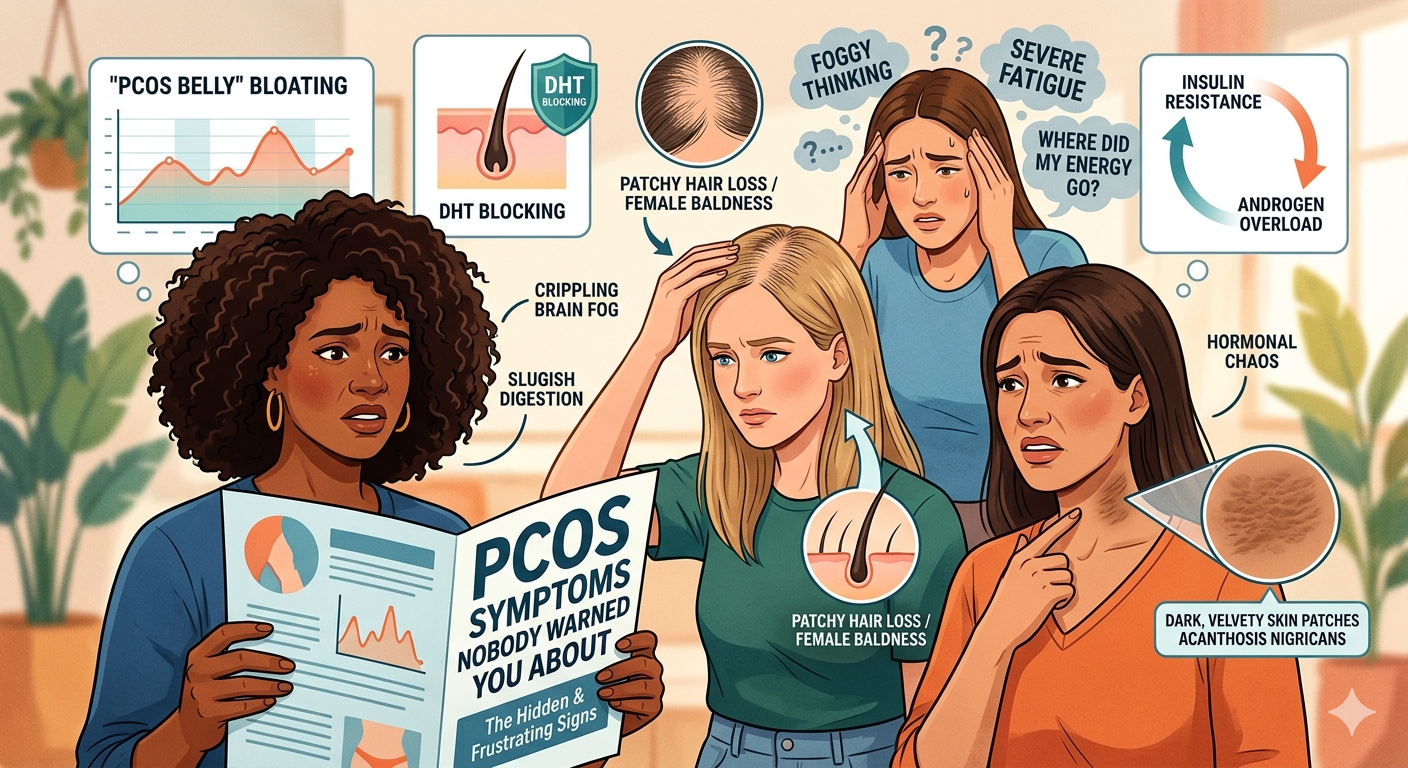
Common symptoms include unexplained weight gain or loss, fatigue, changes in skin texture, hair thinning or loss, mood swings, and irregular menstrual cycles. These symptoms can often be subtle and easily attributed to other factors like stress or aging, making it important to consult with a healthcare professional for a proper diagnosis.
Diagnostic Tests for Hormonal Imbalances
When hormonal imbalances are suspected, specific diagnostic tests are employed to pinpoint the exact nature and cause of the issue. These tests typically involve blood work to measure levels of various hormones produced by glands like the thyroid, adrenal, and reproductive organs.
Common tests include thyroid function tests (TSH, T3, T4), cortisol level checks, and tests for reproductive hormones such as estrogen, progesterone, and testosterone. The results of these tests, when interpreted by a qualified physician, provide a clear picture of hormonal health and guide the development of an effective treatment plan.