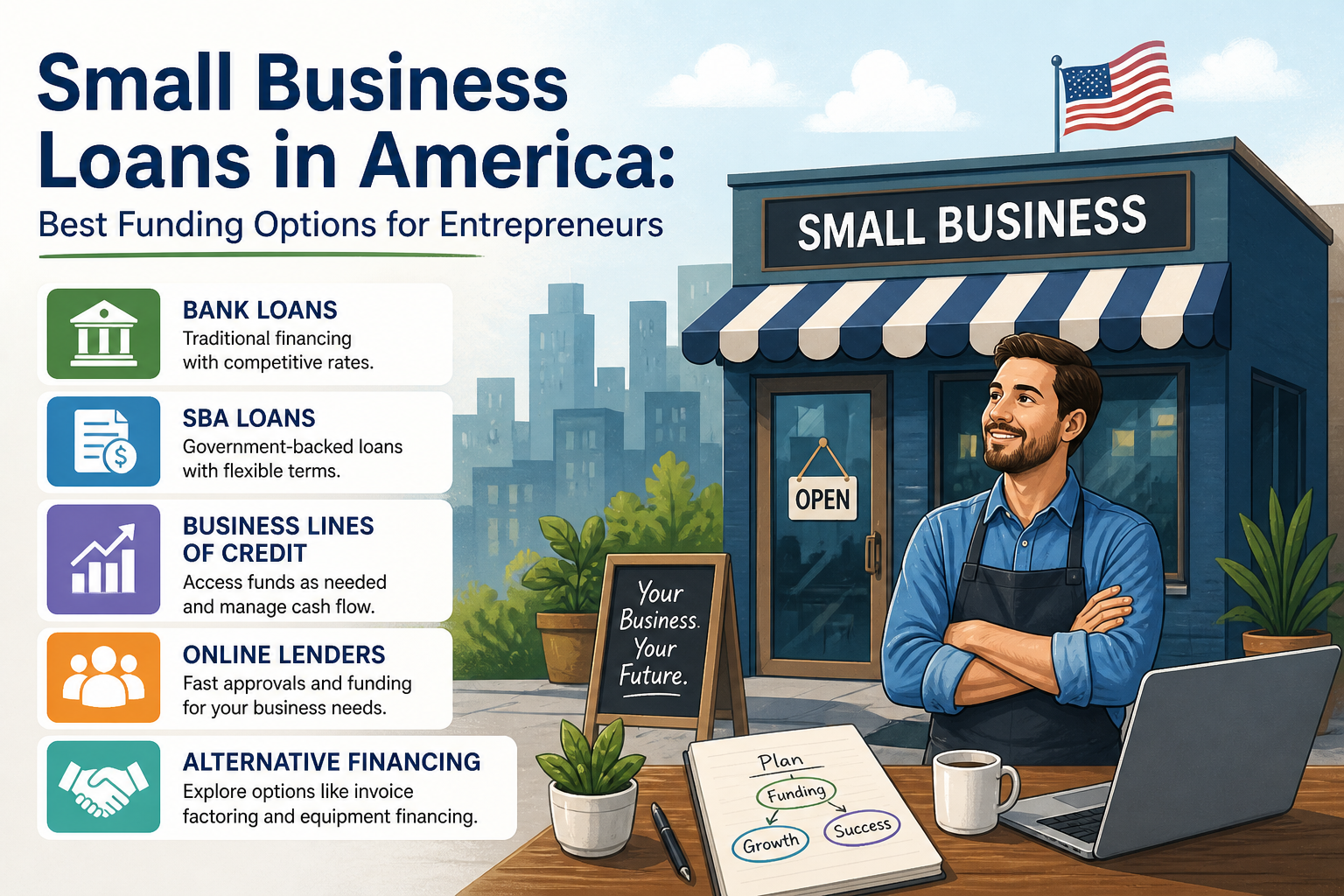
Small business loans play a crucial role in the entrepreneurial ecosystem, providing necessary capital for startups and established businesses alike. Entrepreneurs often rely on these funding sources to launch new ventures, expand operations, purchase equipment, or manage cash flow. The importance of small business loans cannot be overstated, as they assist in converting innovative ideas into thriving businesses, fostering economic growth and job creation.
Despite their significance, securing a small business loan can present substantial challenges for entrepreneurs. Many business owners face difficulties in obtaining financing due to stringent requirements imposed by lenders, which may include credit score assessments, collateral requirements, and comprehensive business plans. This complex landscape can discourage many potential applicants, especially those who may not have established a robust financial history. Consequently, understanding the various small business loan options is essential for entrepreneurs aiming to navigate these challenges and successfully secure funding.
In addition to access, small business loans come with various advantages that enable entrepreneurs to achieve their goals. For instance, loans can provide immediate capital, which aids in meeting urgent operational needs and allows businesses to seize growth opportunities. Furthermore, timely repayment of loans can enhance a business’s credit profile, potentially making it easier to access larger sums or more favorable terms in the future. On the other hand, loans can also be tailored to fit specific needs, with various types available to address the diverse requirements of different business models.
Ultimately, understanding small business loans and the intricacies of the lending process is crucial for entrepreneurs looking to equip themselves with the necessary tools for success in a competitive market. As we delve deeper into the various funding options available, it will be invaluable to keep these foundational aspects in mind.
Types of Small Business Loans
Small businesses in America have access to a multitude of funding options, allowing entrepreneurs to choose what suits their needs best. The various types of small business loans can be categorized into several key types, each with distinct features and eligibility requirements.
Firstly, government-backed loans are often an attractive choice for small business owners. These loans, which can include programs like the 7(a) Loan from the Small Business Administration (SBA), provide safer options for lenders and easier access for borrowers. They typically offer lower interest rates and extended repayment terms, which can be a crucial advantage for new businesses.
Conventional bank loans represent another common funding source. These loans typically require a strong credit history and a solid business plan. In many cases, banks prefer lending to established businesses with demonstrable cash flow, which might make them less accessible for startups.
SBA loans, while technically government-backed, have their specific categorization due to their popularity. The loans are partially guaranteed by the government, thus reducing the risk for lenders. These loans can range from a few thousand dollars to several million, and they cater to various business needs, from purchasing equipment to funding operational costs.
Online lender loans have surged in popularity recently due to their convenience and quick processing times. Although they may come with higher interest rates, they often do not require extensive documentation, making them suitable for businesses needing rapid access to funds.
Microloans represent a crucial option for very small businesses, typically ranging between $500 to $50,000. They are ideal for startups or entrepreneurs lacking collateral or credit history. Organizations like Kiva and Accion provide these loans, often focusing on underserved populations.
Finally, business credit cards are a flexible funding option, allowing owners to manage their cash flow while earning rewards. They can cover everyday expenses and larger purchases, provided businesses remain diligent with repayment to avoid accumulating high-interest debt.
Understanding SBA Loans
Small Business Administration (SBA) loans are government-backed financing options designed to support small businesses in obtaining the funds they need to grow and succeed. These loans are distinct from traditional bank loans due to their competitive interest rates, extended repayment terms, and lower down payment requirements. By partially guaranteeing loans, the SBA mitigates the risk for lenders, encouraging them to provide financial support to small business owners who might otherwise find it challenging to secure traditional financing.
The two primary SBA loan programs are the 7(a) loan and the 504 loan program. The 7(a) loan is the most flexible option, ideal for various purposes including working capital, equipment purchasing, and refinancing existing business debt. Borrowers can access loans up to $5 million, with terms typically ranging from 10 to 25 years. To qualify for a 7(a) loan, applicants must demonstrate a solid business plan, sufficient cash flow, and good credit history, which showcases their ability to repay the loan.
In contrast, the 504 loan program is specifically designed for purchasing real estate or equipment. This program allows small businesses to acquire fixed assets and provides long-term financing, often up to 40 percent of the total project cost, with loans reaching as much as $5.5 million. The qualified businesses must meet specific net worth and income requirements to ensure they are conducive candidates for the funding. The application process for both loan types can be detailed and thorough, necessitating a comprehensive business plan, financial statements, and other essential documents to support the request.
Comparing Traditional Bank Loans and Online Lenders
When evaluating funding options for small businesses, it is crucial to understand the differences between traditional bank loans and loans from online lenders. Each option presents unique characteristics that can significantly impact the borrowing experience.
The first aspect to consider is the interest rates. Traditional banks typically offer lower interest rates compared to online lenders, but this comes with a catch: rigorous qualification standards. Banks rely heavily on credit scores, business history, and financial statements to determine eligibility. In contrast, online lenders may assess a broader spectrum of factors, often approving loans at higher interest rates due to the increased risk involved.
Approval speeds also vary between the two options. Traditional bank loans usually entail a lengthy approval process, spanning several weeks or even months. This can be prohibitive for entrepreneurs in need of quick cash flow solutions. Conversely, online lenders frequently provide faster approvals, with some offering funding within a day or two. This efficiency can be crucial for businesses needing immediate financial support.
Eligibility requirements further differentiate traditional banks from online lenders. Traditional banks often have stringent criteria, collectively favoring businesses with established credit histories and proven income flows. Online lenders, on the other hand, are more flexible and may cater to startups or businesses with less-than-perfect credit. However, this flexibility can come at the cost of higher fees and interest rates.
In summary, the choice between traditional bank loans and online lenders hinges on several factors, including interest rates, approval times, and eligibility requirements. Entrepreneurs must weigh the pros and cons of each option to determine which funding source aligns best with their business needs and financial situation. Choosing the right loan option can have a profound impact on the successful growth of a small business.
Microloans: A Solution for Startups and Small Ventures
Microloans represent a viable financing option for startups and small businesses seeking initial funding. These loans are typically characterized by their smaller amounts, usually ranging from $500 to $50,000, and are aimed at entrepreneurs who may not qualify for traditional bank loans due to limited credit history or lack of collateral. Microloan programs focus on alleviating the financial barriers faced by budding companies and are provided by various organizations, including nonprofit entities, community lending institutions, and government programs.
One of the primary benefits of microloans is their accessibility. Many microfinance institutions tailor their offerings to meet the needs of entrepreneurs in their formative stages. This increased accessibility can be crucial for businesses that require initial capital to purchase inventory, invest in equipment, or develop a new product. Additionally, microloan programs often provide not only funding but also resources such as mentorship and financial education, which can enhance the likelihood of business success.
In terms of repayment, microloans typically feature terms that are more flexible compared to traditional loans. Instead of stringent repayment schedules, many microloan providers offer personalized plans that accommodate the cash flow needs of small businesses. Interest rates on microloans can vary significantly, but they often remain competitive, making them an appealing option for entrepreneurs.
To find microloan opportunities, one can start by researching local community development financial institutions (CDFIs) that focus on supporting small businesses in their areas. Additionally, organizations such as the U.S. Small Business Administration (SBA) provide resources and guidance on how to apply for microloans as part of their broader initiative to assist small business owners. Engaging with local entrepreneurs and networking can also uncover potential microloan sources tailored for specific needs.
The Role of Business Credit Cards in Financing
Business credit cards can serve as a pivotal financial tool for small businesses in America. They offer a flexible method of managing cash flow, allowing entrepreneurs to make necessary purchases without immediate out-of-pocket expense. One of the primary advantages of using a business credit card is the ability to earn rewards on everyday business expenses, such as travel or office supplies, which can ultimately reduce overall operating costs. Additionally, many business credit cards come with features tailored for entrepreneurs, including higher credit limits and expense management tools.
However, entrepreneurs should exercise caution when utilizing business credit cards for financing. The ease of access to credit can lead to overspending, especially for businesses operating on tight budgets. Without a disciplined approach, credit card debt can accumulate quickly, resulting in high-interest charges that may ultimately negate any benefits gained from rewards programs. Therefore, it is essential for business owners to establish a clear strategy for utilizing their credit cards, including setting monthly spending limits and maintaining an organized record of expenditures.
Additionally, responsible use of business credit cards can have a positive impact on a company’s credit score. Timely repayment of card balances can help build business credit, thereby qualifying the company for better loan terms in the future. It is also wise for entrepreneurs to regularly monitor their credit reports to understand how their spending habits affect their overall credit health. In conclusion, when used strategically and responsibly, business credit cards can be a valuable element in the financing landscape of small businesses, aiding in both cash flow management and the development of a solid credit profile.
Choosing the Right Loan for Your Business Needs
When evaluating the various small business loan options available in America, entrepreneurs must first assess their specific business needs. Identifying these needs is crucial to selecting a loan type that aligns with the operational goals and financial circumstances of the business. Key factors to consider include the required funding amount, repayment terms, current interest rates, and the owner’s personal financial situation.
To begin, entrepreneurs should determine the amount of funding necessary for their business. This could stem from a need to purchase equipment, hire additional staff, or manage cash flow during slower periods. A clear understanding of the required amount helps narrow down loan options, as not all lenders may offer similar funding amounts. For example, short-term loans might be suitable for smaller, immediate expenses, while long-term loans typically cater to larger funding requirements.
Next, assessing repayment terms is essential. Different loans come with varied durations and flexibility in repayment schedules. Startups may prefer loans with longer repayment periods, allowing them more time to establish a steady revenue stream. Conversely, if a business owner anticipates higher sales, they may opt for shorter repayment terms, which usually come with lower interest rates compared to longer terms.
Furthermore, the prevailing interest rates should also factor into the decision-making process. Lower interest rates can significantly reduce the total cost of borrowing over time. Entrepreneurs are advised to compare rates from various lenders, as interest rates can fluctuate based on creditworthiness and overall market conditions.
Finally, a thorough review of personal financial situations is required. Lenders often consider personal credit scores when approving business loans, as these scores reflect the borrower’s ability to manage debt. Entrepreneurs should evaluate their personal finances, ensuring they can meet potential loan obligations while sustainably running their businesses.
Tips for a Successful Loan Application
Applying for a small business loan can be a complex process that requires thorough preparation and understanding of lender expectations. To enhance the chances of a successful loan application, entrepreneurs must focus on several key elements.
First and foremost, gathering the necessary documentation is crucial. Lenders typically require personal and business financial statements, tax returns, and details about business ownership. It’s important to provide a clear overview of the business’s current financial status, including current cash flow and revenue projections. A comprehensive financial package demonstrates professionalism and readiness to manage borrowed funds effectively.
Improving credit scores is another critical piece of the puzzle. Many lenders consider credit history a significant factor in their decision-making process. Business owners should take proactive steps to enhance their credit score by paying off existing debts, correcting any inaccuracies in their credit reports, and maintaining low credit utilization. A better credit score not only increases the likelihood of loan approval but can also yield more favorable loan terms.
Additionally, crafting a solid business plan is essential for articulating the value proposition to potential lenders. This document should clearly outline the business’s mission, market analysis, competitive landscape, and financial projections. A well-structured business plan not only strengthens the loan application but also serves as a roadmap for the entrepreneur’s future operations.
When meeting with lenders, making a compelling case is vital. Business owners should be prepared to explain how they intend to utilize the loan funds, their strategy for repayment, and why they are a low-risk investment. Moreover, entrepreneurs should be aware of common mistakes such as submitting incomplete applications or failing to follow up, which can hinder the approval process. By addressing these aspects and approaching the application holistically, businesses can significantly improve their chances of securing the necessary funding.
Conclusion and Final Thoughts
In the contemporary landscape of entrepreneurship, small business loans in America play a crucial role in fostering growth and innovation. Entrepreneurs often face various challenges when attempting to secure funding, but understanding the diverse range of funding options available can ease this journey significantly. From traditional bank loans and credit lines to alternative financing methods like crowdfunding and peer-to-peer lending, each option provides unique advantages and constraining factors. It is vital for entrepreneurs to analyze their business needs and evaluate which funding source aligns best with their financial goals.
Moreover, the importance of preparing a solid business plan cannot be overstated, as this document not only demonstrates the viability of the business idea but also enhances the chances of securing the required funding. Lenders are inclined to support businesses that exhibit thorough planning and potential for growth, further emphasizing the need for due diligence before applying for small business loans.
Investors and financial institutions favor enterprises that reflect a clear understanding of their market, competition, and financial projections. Equipped with such knowledge, entrepreneurs can approach lenders confidently, thereby increasing their chances for approval. Alongside this understanding, it is also essential to be realistic about repayment capabilities and the total cost of borrowing, which includes interest rates and fees associated with each funding option.
Ultimately, the journey toward obtaining small business loans requires both research and strategy. Entrepreneurs are encouraged to explore all available avenues thoroughly, ensuring that the selected financial support will enhance their ability to achieve sustainable growth and success in their ventures. The right funding can not only provide the necessary capital but also empower them to realize their business vision with confidence.