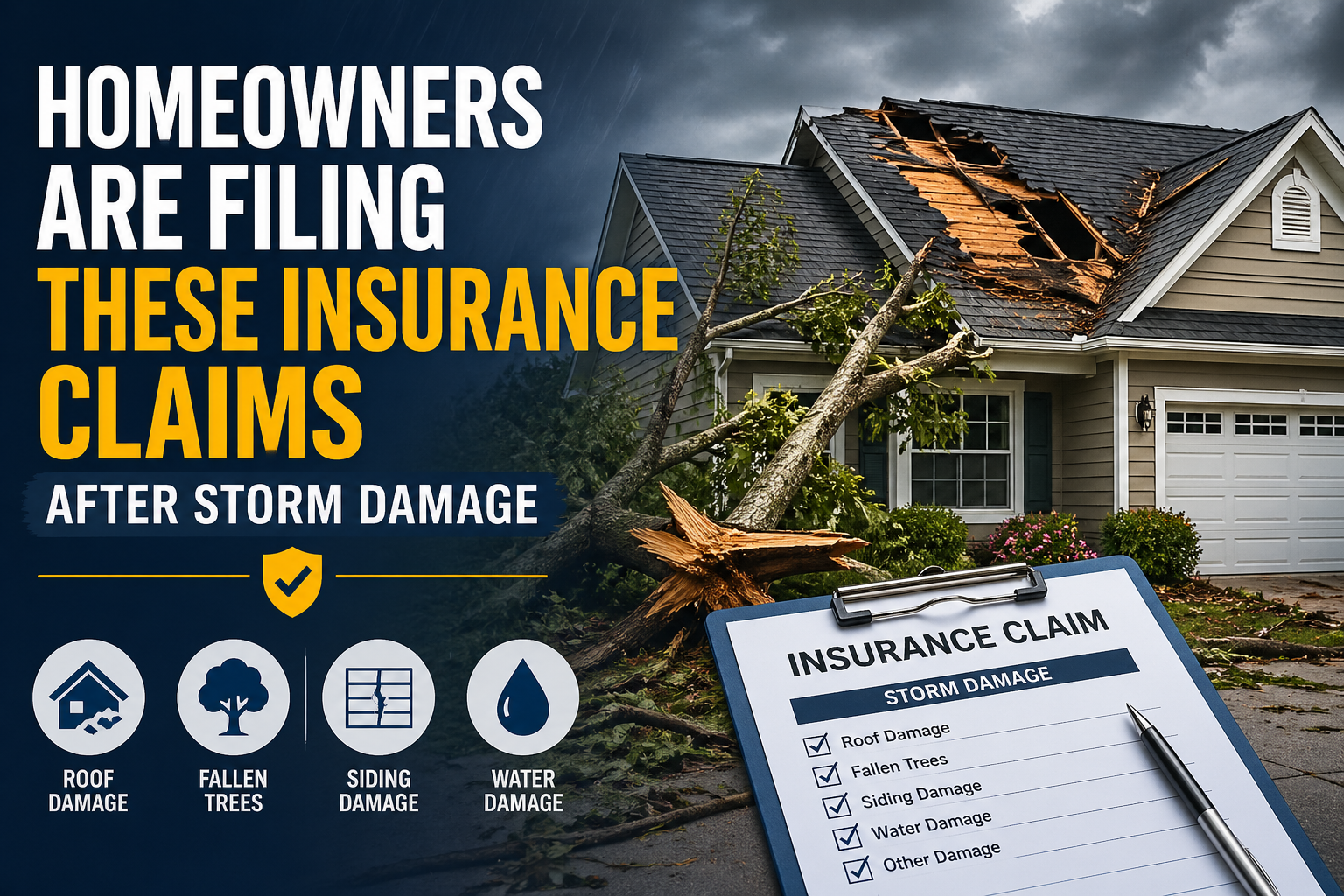
In recent years, the frequency and severity of weather-related events have increased significantly, impacting various regions around the globe. Such severe weather phenomena include hurricanes, tornadoes, heavy storms, and floods, all of which can cause substantial damage to homes and properties. Homeowners find themselves at risk not only of structural damage but also of personal loss due to these unpredictable and often devastating natural events. This rising trend underscores the importance of insurance coverage, which plays a crucial role in helping homeowners recover from storm damage.
Storms can lead to a wide array of damages, such as roof destruction, flooding in basements, siding damage, and broken windows. The aftermath of these events can leave homeowners in a precarious financial situation as they seek to restore their homes. Insurance claims become a vital part of the recovery process, allowing policyholders to reclaim their losses and begin the repair efforts necessary to return to normalcy.
This article aims to provide a comprehensive overview of the common insurance claims that homeowners typically file following storm damage. By outlining these claims, we hope to equip homeowners with the knowledge needed to navigate their insurance policies effectively and understand what damages are most often covered. Knowledge of the claims process and common pitfalls can improve the experience significantly and lessen the stress associated with damage recovery. Ultimately, being informed can empower homeowners to protect their assets and ensure a smoother recovery process after experiencing storm-related damage.
Types of Storm Damage
Storms can cause a variety of damages to homes, each presenting unique challenges for homeowners and varying in the required remediation measures. Understanding the types of storm damage is essential for effective preparation and recovery.
Wind Damage: High winds associated with severe storms can lead to substantial damage to roofs, siding, and windows. Wind can lift shingles, cause structural strains, and even displace entire sections of a roof. The costs of repair can range significantly, with minor roof repairs costing hundreds of dollars, while complete roof replacements can soar to several thousand, depending on the extent of the damage and materials involved.
Hail Damage: Hailstorms can wreak havoc on a home, particularly affecting roofs, gutters, and exterior siding. Hail can create dents and punctures in these materials, leading to leaks and further moisture damage. Repairing hail damage is often costly; a single hailstorm can result in claims of thousands of dollars for roof replacements and siding repair, depending on the severity of the impact.
Flooding: Floodwaters can enter a home through various means, including overflows from rivers, heavy rainfall, or storm surges. Water damage can result in mold growth, structural weakening, and damage to electrical systems. The recovery process from flooding tends to be extensive and expensive. Homeowners may face costs ranging from basic water extraction services to full-scale remodels and replacements of flooring and drywall, which can easily amount to tens of thousands of dollars.
Damage from Fallen Trees: During severe storms, trees may be uprooted or lose branches, potentially falling onto homes and causing significant structure damage. Repair costs can vary widely based on the size of the tree and location of the impact, with expenses ranging from minor repairs to major structural assessments and repairs, potentially in the range of several thousand dollars.
Each of these types of storm damage underscores the importance of having comprehensive homeowners insurance coverage to mitigate financial impacts following severe weather events.
Understanding Homeowners Insurance
Homeowners insurance is a form of property insurance that provides financial protection to homeowners against various risks associated with their property. This type of insurance typically covers damage to the home itself, personal property within the home, and liability for injuries that may occur on the property. It acts as a safeguard for homeowners, providing peace of mind in the event of unforeseen circumstances such as natural disasters, theft, or accidents.
Commonly, homeowners insurance policies include coverage for the dwelling, other structures (such as garages or fences), personal belongings, loss of use (additional living expenses if the home is uninhabitable), and personal liability. However, it’s important to note that homeowners insurance does not cover every possible scenario. For example, typical policies often exclude damage from flooding or earthquakes, necessitating separate insurance policies for these specific risks.
Understanding the intricacies of a homeowners insurance policy is crucial for homeowners. Key components include coverage limits, which is the maximum amount the insurer will pay for a covered loss. Deductibles are another important aspect; they represent the out-of-pocket expense a homeowner must cover before the insurance company pays for the remainder of the claim. Additionally, exclusions—specific situations or conditions that the policy does not cover—could impact a homeowner’s ability to receive compensation following a storm or other damaging event.
Before filing a claim, homeowners must carefully review their policy details. Familiarity with the coverage limits, deductibles, and exclusions ensures that they are adequately prepared to address any potential claims related to storm damage or other incidents. A well-informed homeowner is better equipped to navigate the complexities of the insurance claims process and ensure that any claim they file is valid and within the guidelines of their specific policy.
Common Insurance Claims After Storms
Homeowners frequently face several types of insurance claims following severe storm damage. The most common claims include roof repairs, water damage restoration, and exterior damages such as siding and windows. Each of these claims represents significant financial implications and presents varying degrees of complexity in the claims process.
Roof Repairs: Roof damage is one of the most prevalent issues after a storm. According to industry statistics, approximately 33% of homeowners file claims specifically for roof repairs. The average cost of repairing or replacing a roof can range between $5,000 to $15,000, depending on the extent of the damage and materials used. Insurers often aim to settle claims efficiently, reflecting in an average payout of about $10,000 for roof repairs.
Water Damage Restoration: Water damage is another major concern, frequently arising from heavy rain or flooding. Roughly 25% of storm-related claims involve water damage. Restoration efforts average around $3,000 to $20,000, depending on the severity and area impacted. Homeowners can anticipate an average settlement of approximately $8,000 for water damage claims, covering both mitigation and restoration services.
Exterior Damages: Claims related to exterior damages, including siding, windows, and doors, are also common, constituting about 20% of post-storm claims. The costs for repairing or replacing siding and windows can vary widely, typically ranging from $2,000 to $12,000. On average, homeowners receive settlements of around $6,000 for these claims, depending on the materials and extent of damage.
Overall, understanding these common claims can significantly enhance a homeowner’s preparedness in case of storm-related damage, facilitating a smoother claims process with insurers.
Filing an Insurance Claim: Step-by-Step Guide
Filing an insurance claim for storm damage is a critical process that requires careful attention to detail. The following steps can help homeowners navigate the system efficiently.
Firstly, it is essential to thoroughly document the damage. Take clear photographs of affected areas, ensuring to capture both the extent of the damage and any specific features that may require attention. Make notes of the date and time of the storm, as well as a detailed description of the damage incurred. This documentation will serve as crucial evidence when you present your claim to the insurance company, effectively reflecting the impact of the storm.
Next, promptly contact your insurance company to initiate the claims process. It is advisable to do this as soon as possible, as there may be time limits on filing claims. When you contact them, have your policy number and relevant documentation at hand to expedite the conversation. An insurance adjuster may be assigned to better assess the situation, and they will also guide you through the required paperwork.
After your initial contact, it is important to submit all necessary documents. This may include the photographs taken, estimates for repairs, and any other pertinent information suggested by your insurance agent. Ensure that you keep copies of everything you submit for your records.
Once your claim is filed, diligent follow-up is vital. Monitor the status of your claim by contacting your insurance company regularly to inquire about progress. Documentation and communication are key in this phase to address any questions or additional requirements from the adjuster. By being proactive, you can facilitate a smoother claims process and minimize delays.
This structured approach will assist homeowners in successfully managing insurance claims after a storm, ensuring they receive the assistance they need to recover from the damage incurred.
Challenges in the Claims Process
Homeowners often encounter various challenges when filing insurance claims after storm damage. One of the most significant issues is disputes over policy coverage. Many policyholders may not fully understand their insurance policy, leading to conflicts with insurers regarding the extent of coverage for specific types of storm damage. This misunderstanding can result in claims being denied or significantly reduced, as coverage terms can vary widely among insurance providers.
Another common hurdle is the underestimation of damages. After a storm, it can be overwhelming for homeowners to assess the full extent of damage to their property. Often, homeowners may overlook hidden damages or fail to document them adequately before submitting a claim. This can lead to insufficient claims that do not accurately reflect the necessary repairs, resulting in inadequate settlements.
Delays in processing claims are also prevalent during the claims-filing period. Homeowners may experience prolonged wait times due to a high volume of claims following a significant storm event. Insurance companies may need time to assess the damages independently, leading to frustration for homeowners eagerly awaiting repairs to their homes. Additionally, the complexity of claims can add to these delays, as agents must navigate various documentation and assessments.
To effectively navigate these challenges, homeowners should begin by thoroughly reviewing their insurance policy before a storm occurs. Familiarizing themselves with coverage details will enable them to set realistic expectations. It is also vital for homeowners to document all damages thoroughly, taking photos and notes to create a comprehensive record when filing a claim. Furthermore, maintaining clear communication with the insurance company can help manage expectations and facilitate a smoother claims process. If disputes arise, homeowners may seek assistance from public adjusters or legal professionals specializing in insurance claims to advocate for fair compensation.
The Role of Insurance Adjusters
Insurance adjusters are professionals who play a pivotal role in the process of settling claims related to storm damage. Their primary responsibility is to assess the damages experienced by the policyholders and determine the extent of the insurer’s liability, thus facilitating a fair resolution for both parties involved.
When an adjuster visits a homeowner’s property, they generally follow a systematic approach. Initially, the adjuster will review the insurance policy to understand what coverage is applicable and to verify the particulars of the reported damage. Next, they conduct a thorough inspection of the property, documenting damages with photographs and notes. This examination may extend to both the exterior and interior of the home, including structural elements, personal property, and landscaping. After assessing the damages, the adjuster compiles their findings into a detailed report that will influence the claim settlement.
Homeowners can maximize their interaction with the adjuster to work towards a favorable outcome. It is advisable for homeowners to accompany the adjuster during their inspection. This allows for real-time communication and clarification of any issues or concerns. Homeowners should be prepared to provide any relevant documentation, such as previous repair invoices or maintenance records, to support their claim. Additionally, being organized and providing a comprehensive list of damages can greatly assist the adjuster in making accurate determinations.
Most importantly, maintaining a cooperative and respectful demeanor throughout the process can facilitate constructive dialogue and may lead to a more favorable assessment. Homeowners should remember that adjusters are tasked with a challenging job, as they must balance the interests of the insurance company with the needs of the policyholder. Ultimately, understanding the role of an insurance adjuster and engaging with them thoughtfully can significantly impact the claims experience following storm damage.
Preventative Measures and Preparation
Homeowners can take several critical steps to minimize storm damage and reduce the likelihood of filing insurance claims following severe weather events. Regular home maintenance plays a vital role in ensuring a property can withstand the forces of nature. This includes inspecting and cleaning gutters to prevent water buildup and ensuring proper drainage away from the foundation. Scheduled roof inspections are equally crucial; a well-maintained roof can significantly reduce the risk of leaks and damage during storms.
Investing in storm-resistant materials is another essential preventative measure. For instance, reinforced windows, sturdy garage doors, and impact-resistant roofing can greatly enhance a home’s resilience against strong winds and flying debris. Homeowners should also consider landscaping choices that minimize potential damage. Trees should be pruned regularly, and any dead or weak branches that pose a threat to the home should be removed. Additionally, utilizing native plants that can withstand local storm conditions can help in creating a more sustainable yard.
Creating an emergency preparedness plan is a beneficial strategy for homeowners as well. This plan should include communication lines with family members, a checklist of essential supplies such as first aid kits, non-perishable food, and bottled water, and a meeting place in case of property evacuation. Homeowners are encouraged to stay informed about local weather patterns and alerts, allowing them to prepare adequately for impending storms. By integrating these preventative measures and planning accordingly, homeowners can significantly mitigate storm damage and potentially avoid costly insurance claims in the future.
Conclusion
Homeowners impacted by storms face various challenges, including severe property damages that often necessitate filing insurance claims. Throughout this article, we have examined the most common types of claims homeowners typically file, including roof damage, flooding, and tree-related incidents. Understanding these claims and their implications is crucial for homeowners, as it enables them to navigate the complexities of homeowners insurance efficiently.
Moreover, the proactive steps necessary for storm preparedness—such as maintaining an updated insurance policy, conducting property inspections, and safeguarding valuable assets—should not be underestimated. Engaging in these practices can significantly mitigate potential losses and facilitate smoother claims processes following storm damage. By being informed about the specifics of their coverage, homeowners can better prepare for the potential impact of future weather events on their property.
Ultimately, it is advisable for homeowners to regularly evaluate their current insurance coverage to ensure it aligns with their needs and local conditions. This review can unveil gaps in protection that, if left unaddressed, could lead to unwanted financial strain in the event of a storm. As homeowners navigate these uncertainties, fostering an awareness of their insurance policies, supplemented by preparedness strategies, stands as a vital component of risk management. Adequate preparation and knowledge will empower homeowners to respond effectively to storm-related challenges, enhancing their resilience amid the unpredictability of nature.