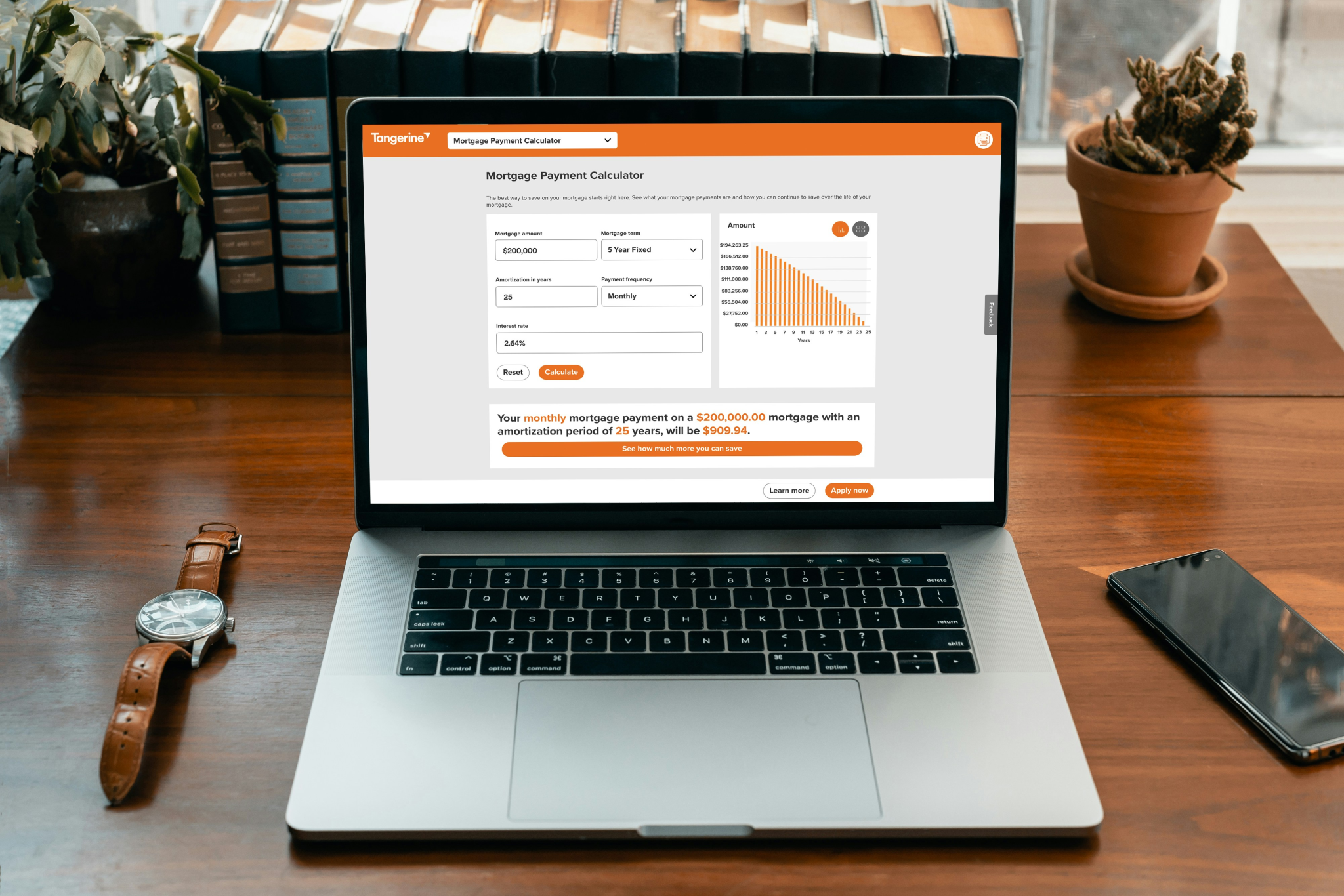
Home equity loans are a financial product that allows homeowners to borrow against the equity they have built up in their property. Equity is the difference between the current market value of a home and the outstanding mortgage balance. For example, if a home is valued at $300,000 and there is $200,000 remaining on the mortgage, the homeowner has $100,000 in equity that can be utilized for various purposes, such as debt consolidation, home renovation, or other expenses.
The process for obtaining a home equity loan typically involves applying with a lender, who will evaluate the homeowner’s creditworthiness and the amount of equity available. Most lenders impose certain requirements: the borrower must hold a sufficient amount of equity, generally at least 15-20% of the home’s value, and have a favorable credit score, typically above 620, to qualify for competitive rates.
Home equity loans usually have fixed interest rates and repayment terms ranging from five to thirty years. This makes them an attractive option for homeowners looking for predictable monthly payments. Additionally, the interest paid on home equity loans may be tax-deductible, providing a financial advantage compared to other forms of borrowing. However, those considering a home equity loan must also be cautious of the associated risks. Failure to meet repayment obligations could lead to foreclosure, thereby jeopardizing the homeowner’s stake in their property.
In conclusion, while home equity loans can be a useful financial tool, they require careful consideration and understanding of the implications involved in borrowing against one’s home equity.
Exploring Personal Loans
Personal loans are a type of borrowing that individuals can utilize for a multitude of purposes, including debt consolidation, home improvements, or unexpected expenses. Unlike home equity loans, which are secured by the equity in a home, personal loans are typically unsecured. This means that they do not require collateral, which can make them more accessible to borrowers who may not have substantial home equity. The flexibility of personal loans allows borrowers to use the funds as they see fit, which increases their appeal in various financial situations.
The terms and interest rates for personal loans can vary significantly based on the borrower’s creditworthiness, borrowing amount, and the lender’s policies. Generally, the repayment terms for personal loans can range from a few months to several years, with interest rates often being higher than those for home equity loans because of the unsecured nature of the loan. Borrowers should evaluate these terms carefully, weighing their financial obligations and ensuring they can manage the repayment structure comfortably.
The application process for personal loans is typically straightforward and can often be completed online. Lenders may perform a credit check as part of the assessment process, which can have a minor impact on the borrower’s credit score. It is essential for prospective borrowers to review their credit history before applying, as a higher credit score could lead to better interest rates and loan terms. Ensuring a positive credit profile is key in securing a favorable personal loan that meets their financial needs.
Cost Comparison: Home Equity Loan vs Personal Loan
When evaluating the cost-effectiveness of a home equity loan compared to a personal loan, several factors merit consideration, including interest rates, fees, and total repayment amounts. Understanding these differences can assist borrowers in making financially sound decisions based on their unique situations.
Generally, home equity loans tend to offer lower interest rates than personal loans. This is primarily because a home equity loan is secured by the equity in the borrower’s home, which reduces the lender’s risk. Interest rates for home equity loans can range from approximately 3% to 7%, depending on creditworthiness, the amount borrowed, and market conditions. Conversely, personal loans are typically unsecured and often carry higher interest rates, ranging from 6% to 36%. This variance is crucial for borrowers as it significantly impacts the overall cost of borrowing.
In addition to interest rates, fees associated with each loan type also play a pivotal role in determining total costs. Home equity loans may incur closing costs, which can include appraisal fees, title searches, and other related expenses. These fees can total anywhere from 2% to 5% of the loan amount. On the other hand, personal loans often carry fewer upfront costs, though some lenders may charge origination fees or prepayment penalties.
To illustrate the financial implications further, consider a scenario where a borrower takes out a $30,000 home equity loan with a 5% interest rate over a 15-year term. The total interest paid over the term could amount to approximately $11,750, with total repayment set around $41,750. Conversely, a $30,000 personal loan at a 12% interest rate over 5 years might lead to total interest payments exceeding $7,000, yielding a total cost of around $37,000. These calculations demonstrate that while personal loans may seem appealing due to their swift approval, home equity loans often provide a more sustainable long-term solution for larger amounts due to their lower rates and potential tax benefits.
Making the Right Choice for Your Financial Situation
Choosing between a home equity loan and a personal loan requires careful consideration of one’s financial circumstances. Begin by assessing your current financial health, which includes reviewing your credit score, income, and existing debts. A personal loan may be more suitable for those with strong credit who need a relatively small sum quickly. Conversely, a home equity loan generally provides larger amounts and may offer lower interest rates, making it ideal for significant expenses such as home renovations or consolidating high-interest debt.
Future financial goals also play a critical role in this decision. If you plan to stay in your home long-term and anticipate an increase in its value, utilizing a home equity loan might make sense. This could enable you to leverage your property’s value for better financing options. However, if your goals are more short-term, such as needing funds for an immediate expense, a personal loan with its quicker processing time can be more advantageous.
Risk tolerance is another essential aspect to consider. Home equity loans are secured by your property, which means failure to repay could lead to foreclosure. Therefore, if your financial situation is unstable or unpredictable, a personal loan, typically unsecured, might mitigate risk while fulfilling your immediate funding needs. Also, consolidating debt through a home equity loan could lower overall interest costs, but it is crucial to evaluate personal factors and market conditions.
Consulting with a financial advisor can provide personalized advice tailored to your individual needs. These professionals can help you understand the intricacies of each option, thus empowering you to make informed, strategic choices about whether to pursue a home equity loan or a personal loan based on your unique financial landscape.