Introduction to Health Insurance in the USA
Health insurance plays a crucial role in providing financial protection and access to healthcare services for individuals and families in the USA. With the rising costs of medical care, having an adequate health insurance plan is essential for managing healthcare expenses. This coverage can help alleviate the financial burden associated with unexpected medical emergencies, routine check-ups, and various treatments.
There are several types of health insurance available to residents, each catering to different needs and circumstances. The most common type is employer-sponsored health insurance, where employers provide coverage to employees and their families as part of their employment benefits. This arrangement often results in lower premiums since employers typically share the costs with their employees.
In addition to employer-sponsored plans, there are government-funded programs such as Medicare and Medicaid, which serve specific populations, including the elderly, low-income individuals, and those with disabilities. Medicare primarily provides coverage for individuals aged 65 and older, while Medicaid offers assistance to qualified low-income families and individuals.
For those seeking more personalized options, private health insurance plans are also available. These plans can be purchased directly from insurance providers and often come with a wide range of coverage options. It is vital for individuals to compare different policies to find one that meets their healthcare needs and financial capacity.
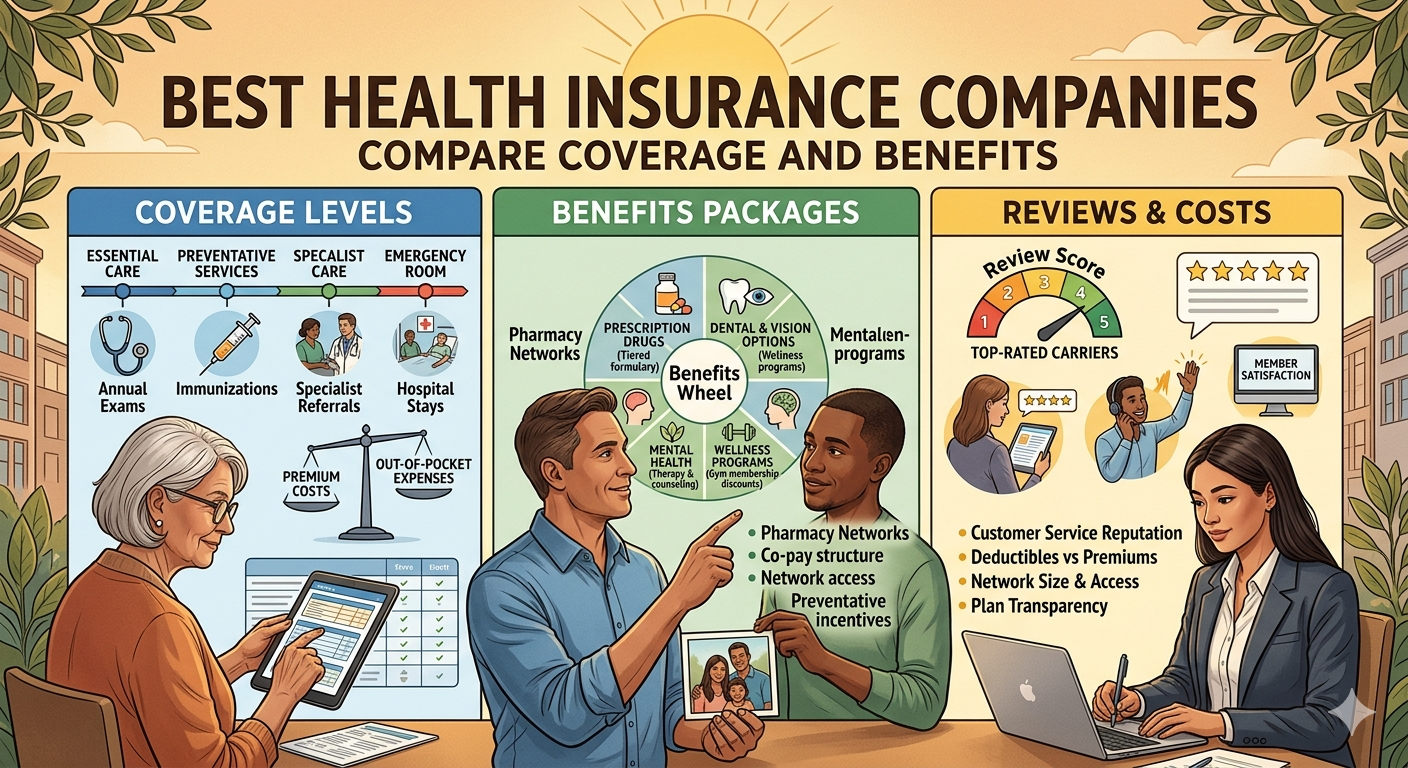
When choosing a health insurance provider, it is important to consider several key factors. These may include the range of covered services, premiums, deductibles, co-pays, network of healthcare providers, and customer service reputation. A thorough understanding of these elements will facilitate an informed decision, ultimately leading to a suitable health insurance solution. As health insurance is a significant part of financial planning, exploring various options ensures that individuals and families can secure the best possible coverage for their needs.
Criteria for Evaluating Health Insurance Companies
When assessing health insurance companies, it is crucial to establish a robust framework for comparison. Various criteria can significantly impact an individual’s choice of health coverage. Here, we discuss the most important aspects to consider.
Coverage: The range of services and procedures covered by a health insurance plan is one of the primary determinants of its value. This includes preventive care, hospitalization, prescription medications, and specialist visits. Comprehensive coverage ensures that policyholders can seek necessary medical care without facing excessive financial strain.
Premiums: Premiums represent the amount policyholders pay monthly to maintain their insurance coverage. This cost varies widely among different companies and plans. Evaluating premiums relative to the coverage provided is essential to understanding the overall affordability of a health plan. Lower premiums may be tempting, but they often come with higher deductibles or limited coverage.
Deductibles and Out-of-Pocket Costs: The deductible is the amount a policyholder must pay before insurance kicks in. A health insurance company’s overall costs should also include out-of-pocket expenses, like copayments and coinsurance, which can accumulate during treatment. It is crucial to analyze these elements together to get a clear picture of potential healthcare expenses.
Network Size: A larger network of healthcare providers can indicate better access to various specialists and centers for medical care. It is important to ensure that preferred doctors and local hospitals are included in the network to avoid unexpected out-of-network charges.
Customer Service: The quality of customer service reflects an insurance company’s commitment to its policyholders. This aspect can include the availability of support representatives, responsiveness to inquiries, and assistance through the claims process, all of which contribute to overall customer satisfaction.
Claims Process: Evaluating how smoothly and efficiently an insurance company processes claims is crucial. A complicated claims process can delay necessary reimbursements and create frustration for policyholders. A transparent and straightforward claims experience is a significant advantage in assessing the reliability of an insurance company.
Additional Benefits: Some health insurance plans offer extra benefits, such as wellness programs, telehealth services, and health assessments. These added features can enhance overall value and encourage proactive health management, contributing to long-term health outcomes.
Top Health Insurance Companies Overview
In the competitive landscape of health insurance in the USA, several companies stand out for their market reputation, diverse offerings, and substantial customer base. Understanding these key players is essential for consumers looking for suitable health coverage options. Below is an overview of some leading health insurance providers.
First, UnitedHealthcare is one of the largest health insurers in the nation, serving millions of members. Established in 1977, UnitedHealthcare offers a comprehensive range of plans, including individual, family, and employer-sponsored health insurance. The company’s innovative approach emphasizes personalized care and technology integration, making it a popular choice among consumers.
Another prominent name is Anthem, Inc., which operates in various states under different brand names such as Blue Cross and Blue Shield. Founded in the late 20th century, Anthem has built a significant presence in the health insurance market. The company provides a wide range of health plans and supplementary services designed to meet diverse healthcare needs.
Next, Aetna, a subsidiary of CVS Health, has been a formidable competitor in the industry for over 160 years. Aetna offers individual and family plans, alongside employer-sponsored coverage. Its commitment to wellness and preventive care sets it apart, with programs designed to encourage healthier lifestyles among its members.
Additionally, Cigna is known for its global reach and extensive health insurance offerings. The company focuses on providing integrated healthcare solutions that promote holistic health management. With a history that dates back to 1982, Cigna has maintained a reputation for exceptional customer service and tailored health plans.
Lastly, Humana specializes in Medicare Advantage plans and has expanded its offerings to cater to individual and family plans. Humana has developed a strong foundation in preventive care and wellness services, appealing particularly to older adults in need of comprehensive coverage options.
These companies represent just a fraction of the health insurance landscape in the USA, each with its unique strengths and offerings that cater to the diverse needs of consumers.
.
Comparative Analysis of Coverage Options
In evaluating the best health insurance companies in the USA, it is essential to conduct a comprehensive comparative analysis of their coverage options. Given the varying health needs of individuals, understanding what services each company includes in their plans is crucial for making an informed decision. Major health services such as hospital stays, doctor visits, preventive care, and prescription medications are typically at the forefront of health insurance offerings.
When assessing coverage for hospital stays, it is vital to consider the length of stay that each insurance provider covers and whether they impose any limits on the number of days. Many top health insurers also offer additional benefits, such as access to private rooms or specialized care for chronic illnesses, which can significantly enhance the overall hospital experience for policyholders.
Doctor visits are another essential component of health insurance coverage. The variances among companies can be striking, with some offering unlimited annual visits, while others may have caps or specific criteria for coverage. In addition, it is important to verify whether the insurance plans include in-network and out-of-network benefits, as this can directly impact the cost of care.
Preventive care services are usually highly emphasized in health insurance plans due to their importance in maintaining overall health. Typically, these services may cover annual check-ups, vaccinations, and screenings at minimal or no cost, promoting early detection and treatment of potential health issues.
Finally, prescription drug coverage can differentiate health insurance companies significantly. Policies might include formulary lists that categorize medications into different tiers based on cost, with some plans offering superior coverage for generic drugs over brand-name options. Therefore, one must analyze not only the types of medications covered but also the out-of-pocket costs associated with them.
By comparing these critical areas of coverage, individuals can better identify which health insurance companies meet their specific requirements and health needs adequately.
Evaluating Costs: Premiums and Deductibles
When evaluating health insurance options in the USA, understanding the costs associated with premiums and deductibles is crucial. Premiums are the monthly payments made to the insurance company. They can vary significantly between different health insurance companies, depending on the plan you choose, the coverage level, and even geographical location. Typically, higher coverage or lower deductibles may result in higher premiums, which can affect overall affordability for consumers.
Deductibles, on the other hand, represent the amount an insured individual must pay out-of-pocket before the insurance provider begins to cover health care expenses. In many health insurance plans, there is a direct correlation between the premium amount and the deductible. Generally, plans with lower premiums tend to have higher deductibles, whereas higher premium plans often feature lower deductibles. This relationship offers consumers a trade-off between the immediate costs of monthly premiums and the potential out-of-pocket expenses during the course of receiving care.
It is also important to consider the total cost of health insurance, which includes both premiums and potential out-of-pocket expenses. Consumers should carefully assess their healthcare needs, which includes how frequently they visit the doctor, any ongoing treatments, and whether they need specialist care. By doing this, individuals can better determine which combination of premium and deductible suits their financial situation. Additionally, it is wise to review the network of providers included in each plan, as this can further impact the affordability of care received. Now more than ever, with rising healthcare costs, consumers must take a holistic view of their insurance options to ensure they choose a plan that balances both premiums and deductibles in a way that fits their budget and health needs.
Customer Service and Claims Processing Comparison
When evaluating the best health insurance companies in the USA, customer service and claims processing are critical factors that can greatly influence a policyholder’s experience. The responsiveness of a health insurance provider can significantly impact the satisfaction of its members, particularly when they are navigating the often complex claims process. Companies renowned for their exceptional customer service typically exhibit high customer satisfaction ratings and a solid reputation among their clients.
Leading health insurance companies like Blue Cross Blue Shield and Aetna have consistently been noted for their efficient claims processing systems. These organizations often provide multiple channels for customers to submit claims, including online portals, mobile applications, and traditional mail. This flexibility not only enhances user experience but also accelerates the claims settlement process. Moreover, prompt communication regarding claims status is essential for maintaining transparency and building trust with policyholders.
In contrast, some insurers have faced criticism regarding their customer service and claims processing efficiency. Customers have reported frustrations with long wait times when contacting support centers or difficulties in understanding claims decisions. Consequently, companies that invest in training staff to provide clear guidance and support generally achieve higher customer retention rates.
Industry surveys frequently highlight the importance of claims processing time in customer satisfaction ratings. Insurers that can process claims swiftly and effectively, while offering robust customer support, often distinguish themselves in a competitive market. Companies such as UnitedHealthcare have successfully utilized technology to streamline their claims processes, leading to improved outcomes for their members.
Ultimately, when comparing health insurance providers, potential customers should consider not only the coverage and costs but also the company’s reputation for customer service and claims processing. Evaluating reviews, ratings, and service awards can provide valuable insight into which insurance companies excel in supporting their members during crucial moments.
Additional Benefits and Wellness Programs
In today’s healthcare environment, health insurance companies in the USA are increasingly recognizing the importance of offering additional benefits and wellness programs that enhance a member’s experience. These additional services often transcend traditional health coverage, helping members lead healthier lives and manage their wellbeing more effectively.
Telehealth services have gained immense popularity, particularly in the wake of the COVID-19 pandemic. Many health insurance providers now include virtual doctor visits as part of their standard plans, allowing members to consult healthcare professionals from the comfort of their homes. This service is particularly valuable for those with mobility issues or those living in remote areas where healthcare access can be challenging. Telehealth not only provides convenience but also encourages members to seek medical advice promptly, thereby enhancing their overall health.
Furthermore, several insurance companies offer incentives such as gym memberships or discounts for participating in fitness programs. These initiatives aim to promote physical activity, which is a crucial factor in preventing chronic diseases. By reducing the financial barriers to accessing fitness facilities, health insurers motivate their members to adopt healthier lifestyles and engage in regular exercise.
Mental health support is another essential benefit increasingly integrated into health insurance plans. Many companies are now providing expanded access to mental health services, including therapy sessions and wellness apps. This support is vital as it addresses the growing recognition of mental health’s significance in maintaining overall health and wellbeing. Comprehensive mental health support not only aids individuals coping with mental illnesses but also fosters a culture of openness and maintenance of mental wellness among all members.
Preventive wellness initiatives, such as regular health screenings and vaccinations, are essential components of many health plans. These preventive measures facilitate early detection of potential health issues, reducing the long-term costs of treatment and ensuring that members maintain a high standard of health. In this way, health insurance providers contribute not only to the treatment of illnesses but also to the promotion of a healthier populace.
Customer Reviews and Testimonials
Customer reviews and testimonials are invaluable resources when evaluating health insurance companies in the USA. They offer a glimpse into the experiences policyholders have had throughout their journey, from enrollment to claims processing. Positive testimonials often highlight the ease of signing up for plans, reflecting the efficiency of the customer service representatives and the clarity of information provided during the enrollment process.
Some customers express satisfaction with their insurance company’s coverage options, noting how comprehensive plans catered to their specific healthcare needs. For instance, many policyholders appreciate the availability of specialized treatment options and the extent of preventative care covered under their plans. These insights can help prospective customers identify which health insurance companies prioritize accessibility and a broad range of services.
On the other hand, negative reviews frequently address challenges encountered during the claims process. For example, some customers have reported difficulties in submitting claims or delays in receiving payments. This feedback is essential, as it sheds light on potential pitfalls within a company’s operational structure. Additionally, testimonials revealing inadequate support during high-stress moments, such as medical emergencies, can influence a consumer’s choice significantly.
Moreover, firsthand accounts of customer service encounters provide a clear perspective on how insurance companies handle inquiries and resolve issues. Many customers highlight the importance of timely and empathetic responses from representatives when faced with concerns. Overall, the diversity of reviews allows for a comprehensive overview of each health insurance company’s strengths and weaknesses, guiding readers to make informed decisions based on real experiences.
Conclusion and Recommendations
Choosing the right health insurance company is a pivotal decision that greatly impacts one’s healthcare experience and financial well-being. Throughout this blog post, we explored several leading health insurance providers in the USA, comparing their coverage options, benefits, and customer service experiences. As we reflect on these aspects, it becomes evident that the best choice depends significantly on individual needs and circumstances.
For individuals seeking comprehensive coverage, companies like Blue Cross Blue Shield and UnitedHealthcare stand out due to their extensive networks and variety of plans. These companies have demonstrated strong customer support and flexibility, making them suitable for families and those with ongoing medical needs.
Alternatively, for those focused on affordability, options like Kaiser Permanente and Humana offer competitive pricing while still maintaining quality service. Kaiser Permanente, in particular, is highly regarded for its integrated care model, which streamlines patient treatment and coordination.
Additionally, consumers who prioritize customer service may want to consider Aetna or Anthem, both of which have received positive feedback for their responsiveness and assistance. It is essential for prospective policyholders to review available plans based on their specific health care needs, budget, and preferred providers.
In conclusion, assessing the best health insurance company is not a one-size-fits-all endeavor. By considering factors such as coverage comprehensiveness, affordability, and customer service ratings, readers can make informed decisions that align with their healthcare needs. Ultimately, finding the right health insurance provider will lead to better healthcare access and enhanced peace of mind for both individuals and families.