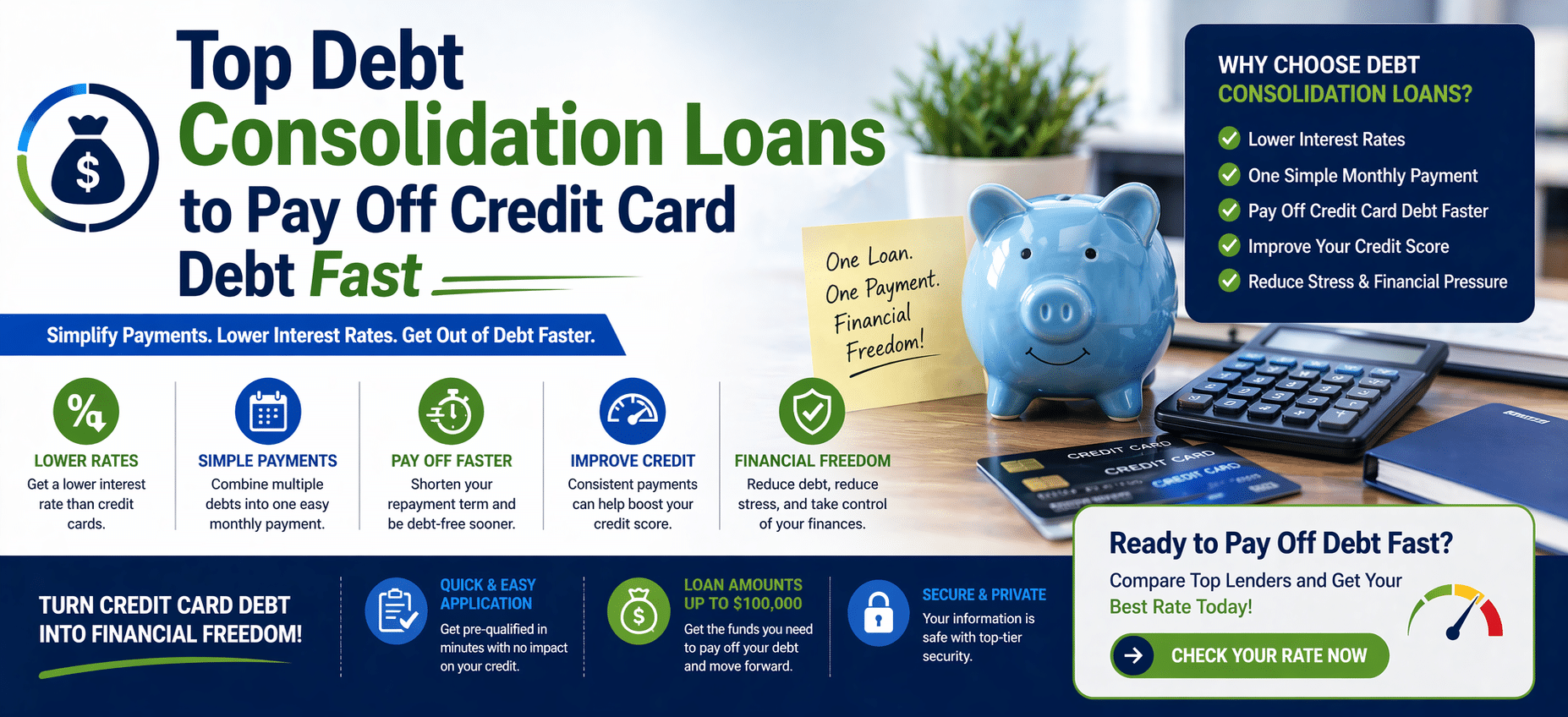
Debt consolidation is a financial strategy used to combine multiple debts into a single loan, often with the aim of simplifying payment processes and reducing overall interest rates. This method is particularly beneficial for those who are struggling to manage several credit card debts, as it allows borrowers to streamline their payments to just one lender.
At its core, debt consolidation works by taking out a new loan to pay off existing debts. This can include credit card balances, medical bills, or personal loans. The most common options for debt consolidation are secured loans and unsecured loans. A secured loan is backed by collateral, such as your home or savings, which can provide lower interest rates but involves a risk of losing assets. On the other hand, unsecured loans do not require collateral; however, they may come with higher interest rates due to the increased risk to lenders.
When considering debt consolidation, it is also important to look at interest rates and repayment terms. Lower interest rates can significantly decrease the total amount paid over time, making it critical to compare different offers. Many lenders provide various repayment options, ranging from a few months to several years, allowing borrowers to choose a plan that best fits their financial circumstances.
The benefits of consolidating credit card debt into a single loan include potentially lower monthly payments, reduced interest rates, and the convenience of having just one payment to manage. Furthermore, consolidation can help improve an individual’s credit score over time, as it addresses multiple accounts and can lead to consistently on-time payments. However, it is crucial to assess the long-term implications of any consolidation strategy, ensuring it aligns with the borrower’s financial goals.
Top Debt Consolidation Loans Available
In today’s financial landscape, navigating debt can be challenging, particularly for those managing multiple credit card obligations. Debt consolidation loans provide an effective avenue for simplifying this process, allowing borrowers to combine their debts into a single manageable loan. We will analyze some of the leading debt consolidation loan providers, focusing on those specifically tailored to expedite the repayment of credit card debt while considering interest rates, loan amounts, term lengths, eligibility requirements, and customer satisfaction.
One of the top contenders in the debt consolidation market is SoFi, which offers considerable loan amounts ranging from $5,000 to $100,000 with competitive interest rates typically between 5.99% and 18.85% for qualified borrowers. SoFi’s loans come with no origination fees, making them an attractive option for individuals looking to minimize upfront costs. Moreover, their flexible term lengths of up to seven years provide borrowers some leeway in repayment.
Another reputable provider is Marcus by Goldman Sachs, known for its straightforward terms and consumer-friendly features. Offering loans from $3,500 to $40,000, with fixed interest rates around 6.99% to 24.99%, Marcus does not charge any fees for late payments or prepayment penalties, enhancing its appeal. Reviewers frequently cite the responsive customer service team as a highlight of their experiences.
LightStream also stands out, providing funding amounts that range from $5,000 to $100,000. With interest rates starting at 3.99%, this provider may particularly suit borrowers with good credit. Their rate-beat program ensures potential clients receive the lowest available rates, fostering confidence in their service. LightStream is renowned for its quick funding process, often disbursing loans on the same day for eligible applicants.
Ultimately, researching these options allows individuals to identify the best strategy for addressing credit card debt through consolidation. Evaluating each provider’s distinct features and terms can facilitate informed decision-making, leading to a more manageable financial future.
Debt consolidation loans offer a multitude of benefits for individuals seeking to manage and eradicate their credit card debt efficiently. One of the primary advantages is the simplification of the payment process. Rather than juggling multiple payments to various creditors each month, a debt consolidation loan allows borrowers to combine their debts into a single loan with one monthly payment. This not only streamlines financial management but also reduces the risk of missed payments that could further harm credit scores.
Another significant benefit is the potential for lower interest rates. Many borrowers find that debt consolidation loans come with more favorable interest rates compared to the often high rates charged by credit cards. This can lead to substantial savings over time, as a lower interest rate means less money paid in the long run. For example, a borrower with a credit card balance of $10,000 at 20% interest could save hundreds in interest payments by securing a debt consolidation loan at a 10% rate.
The impact on credit scores can also be a pro-active consequence of using a debt consolidation loan. Consolidating high credit card debt not only reduces credit utilization ratios—an essential factor in credit scoring—but it also does so while allowing regular repayments of the new loan to improve overall credit history. Consequently, this can lead to an increase in credit scores over time.
Beyond financial and credit score improvements, there are psychological benefits as well. The stress of multiple debts can often lead to anxiety and frustration. By consolidating debts into one loan, many individuals report feeling a sense of relief and clarity concerning their financial situation. Testimonials illustrate this sentiment clearly: “After consolidating my credit debt, I finally feel in control of my finances and no longer dread checking my statements!”
Steps to Get Started with Debt Consolidation
Embarking on the journey towards financial relief through debt consolidation requires a structured approach to ensure effective management of credit card debt. The first step involves assessing your current financial situation thoroughly. This includes listing all debts, their corresponding interest rates, and monthly payment obligations. By understanding the total amount of debt, you can better determine how a debt consolidation loan might help streamline your financial commitments.
Once you have a clear picture of your financial landscape, the next step is to research potential lenders. Look for financial institutions that specialize in debt consolidation, and compare their loan terms, interest rates, and repayment options. It is essential to consider both online lenders and traditional banks to find the most favorable terms suitable for your needs. Additionally, checking customer reviews and ratings can provide insights into the lender’s reputation and service quality.
After identifying a suitable lender, the following step is to apply for the debt consolidation loan. Ensure that you have all necessary documents ready, such as proof of income, credit reports, and a list of debts. A comprehensive application will likely improve your chances of approval. Upon securing the loan, use the funds to pay off existing credit card debts promptly, thereby simplifying your payments to just one monthly obligation.
Finally, managing repayments effectively is crucial for maintaining financial stability. Set up a budget that accommodates your loan repayment, and consider automatic payments to avoid any late fees. It is also advisable to repay more than the minimum amount when possible, as this can significantly reduce the overall interest paid over time. Be vigilant about avoiding common pitfalls, such as accumulating new debt on credit cards post-consolidation, to ensure your debt relief journey is successful.