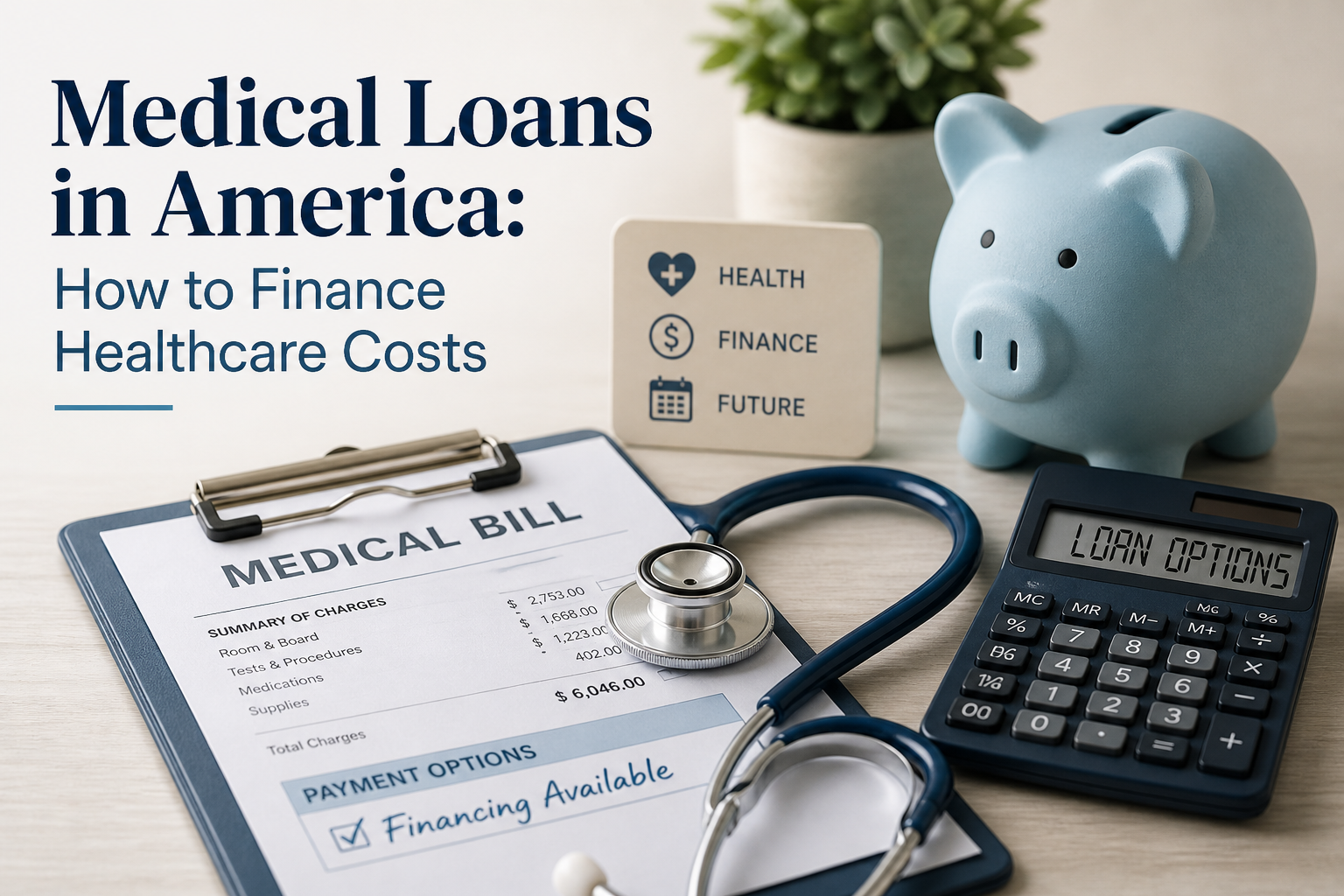
Medical loans are a financial tool specifically designed to cover healthcare-related costs, allowing patients to access necessary medical treatments without enduring immediate financial strain. Unlike traditional personal loans or credit cards, medical loans cater explicitly to medical expenses such as surgeries, dental procedures, fertility treatments, and cosmetic enhancements. Their primary purpose is to provide patients with a way to handle unforeseen or high medical expenses efficiently.
In the United States, medical loans can come in various forms. Many lenders offer unsecured personal loans aimed at healthcare expenses, which do not require collateral, making them accessible to a wider range of individuals. Additionally, some healthcare providers partner with financing companies to offer tailored payment plans or loans that patients can apply for right at the provider’s office.
The interest rates on medical loans often differ significantly from those of credit cards or traditional loans. Medical loans typically feature lower rates due to their specific use case, making them a more affordable option for many patients. Furthermore, the application process for medical loans can be more streamlined—many lenders understand the urgency associated with medical needs and often provide faster approval times compared to conventional loan channels.
Also, medical loans may offer flexible repayment terms, enabling borrowers to choose a repayment schedule that suits their financial situation. This aspect is crucial for individuals facing high medical bills, as it allows them to spread the costs over a period rather than paying a lump sum. Overall, medical loans serve as a vital resource for individuals seeking financial management options for their healthcare expenses, distinguishing themselves through unique features tailored to this specific need.
The Importance of Medical Financing
In today’s healthcare landscape, medical financing has emerged as a vital resource for many Americans, particularly in light of escalating costs associated with medical care. Over the past decade, healthcare expenditures have risen significantly, often outpacing wage growth and placing an increasing burden on consumers. This situation is further exacerbated by high deductibles and out-of-pocket expenses, which can lead to financial instability for individuals and families seeking necessary medical intervention.
The Affordable Care Act has made strides in improving access to insurance; however, rising healthcare costs remain a pressing issue. Many insurance plans now feature high deductibles that require patients to pay more out-of-pocket before their coverage kicks in. Consequently, individuals may find themselves facing substantial medical bills, which can lead to financial hardship. Medical financing offers a solution by enabling patients to cover these unexpected costs without depleting their savings or resorting to high-interest credit card debt.
Moreover, the lack of transparency in medical billing contributes to the challenges consumers face. Patients may often find it difficult to predict their healthcare expenses, as prices for medical services can vary widely and are not always communicated upfront. In this context, medical financing becomes crucial, as it provides a means for patients to obtain necessary treatment without the immediate financial burden that may otherwise deter them from seeking care.
As medical costs continue to rise, and with the impact of unforeseen medical emergencies, many Americans are turning to medical loans as an essential tool for managing their healthcare finances. Understanding the importance of medical financing is imperative for individuals facing the uncertainties of healthcare costs, and it can play a significant role in safeguarding their financial well-being.
Types of Medical Loans Available
In the United States, various types of medical loans are available to assist individuals in managing their healthcare costs. From urgent medical needs to planned procedures, these financing options can help alleviate the burden of expenses. Three of the primary types include personal loans, medical credit cards, and specific healthcare financing options.
Personal Loans: Personal loans are unsecured loans that can be used for any purpose, including medical expenses. They typically offer fixed interest rates and flexible repayment terms, ranging from two to seven years. Borrowers can obtain these loans through banks, credit unions, or online lenders. The interest rates on personal loans can vary significantly based on the borrower’s creditworthiness, ranging from as low as 6% to over 36%. This variability highlights the importance of researching various lenders and options before committing to a particular loan.
Medical Credit Cards: Medical credit cards are uniquely designed for healthcare-related expenses. They can be used for a variety of services, including dental, vision, and elective procedures. These cards often come with promotional periods where no interest is charged if the balance is paid off within a certain timeframe, usually six to twelve months. However, if the balance is not paid in full by that deadline, high interest rates—often exceeding 25%—may apply. Patients should carefully consider the terms and conditions of medical credit cards to avoid unexpected charges.
Specific Healthcare Financing Options: Some healthcare providers offer financing plans tailored specifically for their services. These plans might include installment payments directly to the provider, often with little to no interest for a set period. Other options also include specialized loan programs that help cover the costs of specific types of treatment, such as surgeries or fertility treatments. It is advisable for patients to consult with their healthcare providers to explore these financing opportunities, as they may be less burdensome than traditional loans.
Where to Get a Medical Loan
When faced with unexpected healthcare costs, obtaining a medical loan can serve as a viable solution to manage expenses effectively. Various institutions offer medical loans in America, each with distinct advantages, application criteria, and terms. Understanding where to secure these loans is essential for making an informed decision.
Banks are a traditional source for medical loans. Many major banks offer personal loans that can be earmarked for healthcare expenses. The criteria for loan approval typically include the borrower’s credit score, income, and existing financial obligations. Additionally, banks often provide competitive interest rates and flexible repayment options. However, the application process may be more stringent, potentially requiring good to excellent credit and verified income documentation.
Credit unions represent another feasible option for obtaining a medical loan. These member-focused institutions can often deliver lower interest rates compared to traditional banks. To qualify for a loan through a credit union, individuals usually need to become members, which may involve meeting certain eligibility requirements based on location or employer. Credit unions also tend to have more flexible lending criteria, making them ideal for those who may not fit the conventional banking mold.
Specialized lenders have emerged as a growing source of medical loans, particularly for patients seeking specific healthcare services such as cosmetic surgery, dental procedures, or fertility treatments. These lenders often focus on healthcare financing, and as such, they may be more willing to approve loans based on medical needs rather than credit history alone. However, borrowers should exercise caution and thoroughly review the terms, as these loans can carry higher interest rates or fees.
In summary, individuals looking for medical loans can explore options through banks, credit unions, and specialized lenders. Each source comes with its own evaluation criteria, impacting the loan approval process and terms. By carefully assessing these options, potential borrowers can find the most suitable financial solution for their healthcare needs.
The Application Process for Medical Loans
Applying for a medical loan in America requires a systematic approach to ensure a smoother experience and increase the likelihood of approval. The first step in the application process is to conduct thorough research on various lenders. It is essential to compare the terms, interest rates, and eligibility criteria of different loan options available for medical expenses. Potential borrowers should aim to select lenders that specialize in medical loans, as they may offer more favorable conditions and understand the specific needs related to healthcare financing.
Once a suitable lender is identified, applicants must gather the required documentation. This typically includes proof of income, such as pay stubs or tax returns, as well as details about employment status. Additionally, applicants may need to provide information on their credit score and a breakdown of the medical expenses they intend to cover with the loan. It is crucial to ensure that all information is accurate and up-to-date, as discrepancies may lead to delays or denials in the approval process.
The approval timeline for medical loans can vary significantly based on the lender and the complexity of the application. Some lenders may offer instant decisions, while others might take several days to complete the review process. To expedite approval, applicants should submit all requested documents promptly and be available to answer any additional questions from the lender. Furthermore, improving credit scores prior to applying can enhance one’s chances of receiving a favorable loan offer.
Lastly, potential borrowers should take the time to read all terms and conditions thoroughly before signing any agreement. This diligence can prevent future complications and ensure a clear understanding of repayment obligations associated with the medical loan.
Pros and Cons of Medical Loans
Medical loans present a viable option for many individuals seeking to manage healthcare expenses that are not covered by insurance. One of the primary advantages of these loans is the flexibility they offer. Borrowers can often tailor loan amounts and terms according to their specific needs. This can be particularly valuable during emergencies, where immediate funding is necessary to address urgent medical issues. Moreover, medical loans generally provide quick access to funds, allowing patients to receive timely healthcare without extensive delay.
Additionally, medical loans can be advantageous for those who do not have access to other forms of credit. Individuals with lower credit scores may find that specialized medical loans are more accessible than traditional financing options. Furthermore, many medical loans offer competitive interest rates, especially when compared to credit cards, which can carry high-interest charges. This makes them a potentially cost-effective method for financing medical expenses over time.
However, it is crucial to consider the drawbacks associated with medical loans. One significant disadvantage is the risk of accruing debt. If borrowers do not manage repayments effectively, they may end up in a challenging financial situation. Moreover, unexpected changes in financial circumstances can further complicate repayment plans, potentially leading to default. Additionally, while interest rates might be lower than credit cards, they may still present a substantial financial burden over the life of the loan.
Another point of concern is that not all medical loans come with the same terms and conditions. Some may carry hidden fees or unfavorable repayment terms, which can impact the overall cost of borrowing. Therefore, individuals considering medical loans must carefully evaluate all aspects before committing to a financing solution.
Alternatives to Medical Loans
Finding ways to finance healthcare costs can be challenging, particularly given the rising expenses associated with medical care in America. While medical loans may be one option, several alternatives can assist individuals in managing their healthcare expenses without incurring debt. One effective method is to negotiate payment plans directly with healthcare providers. Many medical facilities offer flexible payment arrangements, either through installments or reduced fees based on financial circumstances. It is advisable to discuss payment options before receiving treatment, as many providers are open to discussions regarding affordability.
Another viable option is the utilization of Health Savings Accounts (HSAs). HSAs allow individuals to set aside pre-tax money specifically for medical expenses, reducing overall taxable income while providing funds for healthcare needs. These accounts can accumulate interest, further enhancing their value over time. By leveraging HSAs, patients can effectively manage out-of-pocket expenses related to healthcare without resorting to loans.
In addition to negotiating with providers and utilizing HSAs, individuals can explore various financial assistance programs. Numerous non-profit organizations and government initiatives are designed to help individuals facing high medical costs. These programs may provide grants or subsidized assistance for specific treatments or chronic conditions. Health insurance companies may also have programs available that support patients with financial eligibility criteria, highlighting the importance of thorough research prior to deciding on a financial strategy.
By considering these alternatives to medical loans, individuals can find useful resources to alleviate the financial pressures associated with healthcare expenses. With thoughtful planning and open communication with providers and financial institutions, many individuals can devise a strategy that effectively meets their healthcare funding needs while minimizing reliance on loans.
Managing Medical Debt Responsibly
Effectively managing medical debt is essential for maintaining financial stability and health. As healthcare costs continue to rise, many individuals find themselves in need of medical loans to cover expenses not fully addressed by insurance. To navigate this landscape, it is beneficial to employ robust budgeting strategies and a repayment plan.
Firstly, establishing a detailed budget is crucial. Begin by listing all sources of income and necessary expenses. This includes fixed costs such as rent or mortgage payments, utilities, and groceries, alongside variable expenses where applicable. By identifying areas where you can cut back on discretionary spending, you can create additional space in your budget for medical loan repayments. It may also be advantageous to allocate any unexpected financial inflows, such as tax refunds or bonuses, towards paying down medical debt.
Next, planning for repayments is vital. Understanding the terms of your medical loans, including interest rates and payment durations, will enable you to prioritize payments effectively. If possible, consider making more than the minimum required payments to reduce the principal balance faster. Setting up automatic payments can also help avoid late fees and maintain a positive credit history.
The importance of maintaining a good credit score cannot be overstated. A high credit score not only impacts your ability to obtain financing in the future but can also lower the interest rates on loans, resulting in significant savings. To enhance your credit score, ensure timely payments on all debts, minimize credit card usage, and dispute any inaccuracies on your credit report. Monitoring your credit regularly will provide insights into your financial health and assist in making informed decisions regarding future medical loans.
In conclusion, by implementing effective budgeting techniques, formulating a structured repayment plan, and focusing on maintaining a good credit score, individuals can manage medical debt responsibly and alleviate the financial strain associated with healthcare costs.
Real-Life Case Studies & Testimonials
In recent years, medical loans have played a crucial role in helping individuals cope with rising healthcare costs. Many have turned to these financial products to manage substantial medical bills, and their experiences reveal how medical loans can exert a significant impact on personal finances.
One such case is that of Sarah, a 32-year-old single mother living in Ohio. After her son was diagnosed with a chronic condition requiring ongoing treatment, Sarah found herself facing exorbitant medical expenses that were not fully covered by her insurance. With limited savings, she sought a medical loan that enabled her to cover treatment costs. Sarah shared that, despite initial anxiety about taking on debt, the loan alleviated her immediate financial burdens, allowing her to focus on her son’s health instead of stressing over payment deadlines.
Another notable example is John, a 45-year-old man from California who underwent a major surgical procedure. Despite having insurance, John had to pay a hefty deductible. The medical loan he secured helped bridge the gap between his insurance coverage and the total cost of the surgery. John expressed gratitude for the loan, stating that it not only facilitated timely medical interventions but also improved his overall quality of life. He emphasized that the loan provided him with the financial breathing room needed to manage his healthcare expenses without compromising on other essential needs.
A common theme emerging from these testimonials is the impact of medical loans on financial stability and peace of mind. For many individuals, such loans are not merely a means to an end but a vital resource that empowers them to prioritize health without the constant worry of financial repercussions. The positive experiences shared by borrowers illustrate the potential benefits of medical loans in navigating the complexities of healthcare financing.