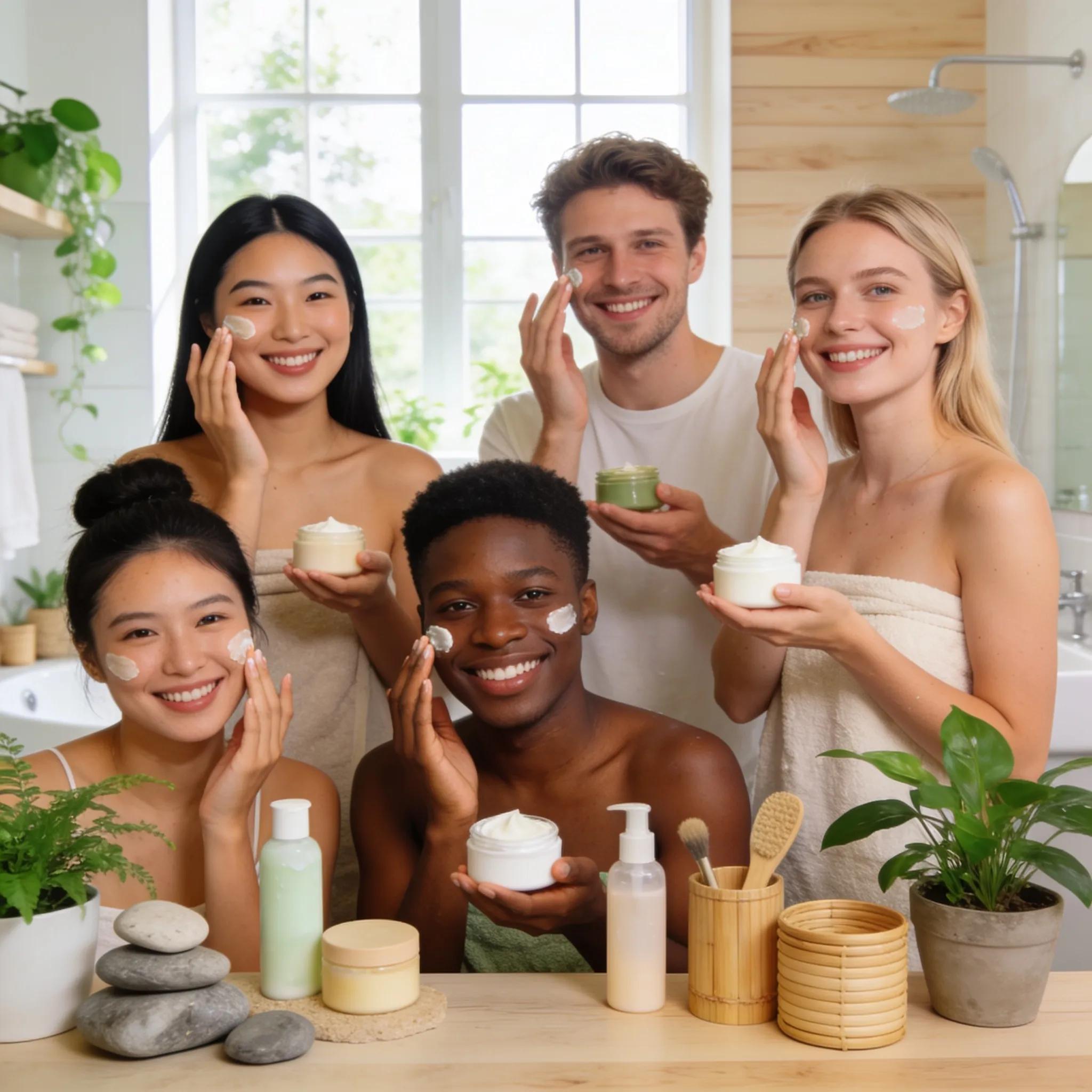
Top 10 Cruelty-Free Skincare Brands You Need to Try: Best Vegan and Ethical Beauty Essentials
As the beauty industry evolves, more consumers are advocating for ethical products that align with their values. Cruelty-free skincare is not just a trend but a necessity for those who seek conscientious choices that also promote skin health. This guide delves into the top cruelty-free skincare brands that offer high-quality, vegan beauty essentials, ensuring that your cosmetic choices support animal welfare and sustainability. In doing so, we’ll explore what makes brands like Paula’s Choice, The Ordinary, and Youth to the People stand out, their certification processes, natural ingredients, and ways to incorporate these products into your daily skincare routine. Additionally, we will discuss the importance of ethical packaging and debunk common myths around cruelty-free and vegan skincare.
Which brands top the list of cruelty-free skincare for ethical consumers?
In today’s marketplace, the abundance of choices can make it challenging to identify leading cruelty-free skincare brands. Here are some standout names that consistently emphasize ethical practices, sustainable ingredients, and consumer satisfaction:
- Paula’s Choice: Celebrated for its science-based formulations and transparency about ingredients, Paula’s Choice is a top contender in the cruelty-free arena.
- The Ordinary: Known for its effective yet affordable products, The Ordinary emphasizes simplicity while delivering potent results, all without animal testing.
- Youth to the People: This brand combines superfood ingredients with eco-friendly practices, highlighting a commitment to cruelty-free operations.
What makes Paula’s Choice, The Ordinary, and Youth to the People standout cruelty-free brands?
Each of these brands has unique attributes that resonate with ethical consumers. Paula’s Choice stands out with its commitment to scientific research, providing customers with detailed information about each ingredient’s function. The Ordinary offers transparency in its formulations, allowing consumers to easily understand what they are applying to their skin. Youth to the People focuses on sustainability and wellness, sourcing natural ingredients to create potent formulas while maintaining eco-friendly practices. These distinct principles contribute to their high reputation among users.
How do these top brands integrate natural and plant-based ingredients?
Natural and plant-based ingredients are at the core of what these brands represent. Paula’s Choice utilizes antioxidants and soothing extracts, enhancing skin health with nature’s best. The Ordinary employs a minimalist approach, prioritizing high-quality, effective formulations that incorporate clinically proven ingredients. Meanwhile, Youth to the People’s use of superfoods not only nourishes the skin but also aligns with their commitment to environmental sustainability. The blend of natural components not only supports ethical beauty but also promotes healthily glowing skin.
What certifications define truly cruelty-free and vegan skincare products?
Certifications serve as critical guidelines for consumers navigating the cruelty-free skincare landscape. Understanding these certifications ensures that your choices align with ethical practices.
- Leaping Bunny: This certification signifies strict animal testing policies and a commitment to cruelty-free practices across all product lines.
- PETA: Brands carrying the PETA logo have undergone rigorous checks to guarantee that no animal testing occurs during production.
- Vegan Society: This label confirms that no animal-derived ingredients are used, appealing to those seeking vegan skincare options.
How do Leaping Bunny, PETA, and the Vegan Society certify skincare brands?
Each certification has its own criteria and application processes, designed to maintain high ethical standards. Leaping Bunny requires companies to meet specific criteria related to product testing and ingredient sourcing. PETA’s approach includes an application process where brands demonstrate their commitment to avoiding animal testing. The Vegan Society, meanwhile, conducts rigorous assessments to ensure that all ingredients align with its vegan standards. These certifications help build consumer trust in the claims made by brands.
Why is certification important for trusting cruelty-free claims?
Certification is vital for verifying that claims of cruelty-free practices are genuine. In an industry where greenwashing can occur, these certifications provide authentic validation for consumers. Brands that display these certifications show transparency and a genuine commitment to animal welfare, reinforcing consumer trust. Furthermore, clear regulations regarding these terms help educate consumers on the significance of their purchasing decisions, ultimately promoting a culture focused on ethical beauty.
Which natural ingredients in cruelty-free skincare promote glowing, healthy skin?
Natural ingredients are fundamental in achieving healthy, vibrant skin, especially in cruelty-free products. Here are some key ingredients known for their benefits:
- Hyaluronic Acid: A powerful humectant that attracts moisture to the skin, keeping it plump and hydrated.
- Botanical Extracts: Ingredients such as aloe vera and green tea are rich in antioxidants and provide soothing benefits.
- Essential Oils: Derived from plants, these oils not only offer aromatic benefits but also enhance the overall treatment power of skincare products.
What role do plant-derived ingredients like hyaluronic acid and botanical extracts play?
Plant-derived ingredients play a crucial role in cruelty-free skincare formulations. Hyaluronic acid retains moisture, making it essential for hydration. Botanical extracts, known for their anti-inflammatory properties, help to calm irritated skin and provide effective healing. These natural compounds enhance product efficacy while promoting environmental sustainability. Consequently, the integration of such ingredients not only benefits the skin but aligns with the broader ethos of ethical beauty.
How do organic cruelty-free face washes and moisturizers contribute to skin radiance?
Organic face washes and moisturizers formulated without harmful chemicals are pivotal in skincare routines. They help to remove impurities gently while providing essential nutrients that support skin health. For example, organic ingredients like coconut oil and shea butter work to nourish and hydrate the skin. The result is a glowing complexion free from synthetic additives. By investing in organic cruelty-free skincare, consumers can enjoy effective routines that deliver noticeable results, supporting both personal care and ethical values.
Vegan & Cruelty-Free Cosmetics: Trends, Benefits & Challenges
This review attempts to offer a thorough examination of the state of vegan cosmetics today, emphasizing their components, advantages, and drawbacks. Consumers looking for healthier and more ecologically friendly options are increasingly drawn to vegan cosmetics due to the increased emphasis on ethical sourcing, cruelty-free procedures, and sustainability. The review will analyze the effectiveness and safety of plant-based ingredients, appraise the advantages of vegan formulations for the environment and human health, and go over the difficulties that businesses encounter with regard to cost, transparency, and greenwashing. Vegan and Crutely Free Products, 2025
How can you build a morning skincare routine using cruelty-free products?
Establishing a morning skincare routine with cruelty-free products enhances skin health while remaining ethical. Here’s a straightforward structure to get you started:
- Cleanser: Begin with a gentle cruelty-free cleanser to remove impurities.
- Toner: Use a hydrating toner to prep the skin for better absorption of subsequent products.
- Serum: Apply a targeted serum rich in antioxidants for added nourishment.
- Moisturizer: Seal in moisture with a cruelty-free moisturizer that fits your skin type.
- Sunscreen: Finish with a broad-spectrum sunscreen to protect against UV damage.
What are the essential cruelty-free products for a morning skincare regimen?
Each step in your skincare routine serves a vital function. A suitable cleanser will remove overnight grime, allowing other products to penetrate effectively. A toner balances the skin’s pH, setting the stage for maximum absorption. Serums infused with high-potency ingredients can address specific concerns like aging or uneven tone. Moisturizers lock in hydration, while sunscreen shields the skin from harmful rays. Together, these products align with the principles of cruelty-free beauty.
How to layer and apply products for maximum ethical and dermatological benefits?
Layering products correctly ensures that each step contributes to optimal skin health. Start with the thinnest product to the thickest. Apply cleansers, toners, and serums first, allowing a few moments between each application for better absorption. Finish with a moisturizer to seal in the benefits, followed by sunscreen to safeguard your skin. Proper application techniques enhance product effectiveness and achieve the desired results, aligning with both ethical practices and dermatological recommendations.
How do sustainability and ethical packaging enhance cruelty-free skincare brand value?
Sustainability remains a focal point in today’s cosmetic industry, influencing consumer choices significantly. Brands that focus on eco-friendly practices not only appeal to conscious consumers but also minimize their environmental footprint. High-value brands adopt sustainable materials for packaging that reduces waste and promotes recycling.
- Recyclable Materials: Packaging made from recyclable materials further emphasizes commitment to the planet.
- Refillable Options: Some brands offer refillable products to minimize single-use packaging.
- Biodegradable Elements: Ethical brands are increasingly turning to biodegradable packaging solutions to enhance their sustainable practices.
What types of eco-friendly packaging are adopted by top cruelty-free brands?
Top brands have begun utilizing various eco-friendly packaging options to reduce their environmental impact. Recyclable glass containers not only look stylish but are also sustainable. Aluminum tubes offer lightweight and recyclable alternatives, while biodegradable cartons are becoming common for shipping products without contributing to landfill waste. Such initiatives resonate with consumers prioritizing ecological responsibility and drive the demand for cruelty-free products forward.
How does sustainability integrate with cruelty-free and vegan brand ethics?
The intersection of sustainability and cruelty-free values is becoming increasingly important. Many consumers opt for brands that reflect their ethical stance not only by avoiding animal testing but also through an overarching commitment to environmental sustainability. Brands that integrate these principles demonstrate a holistic approach to beauty, effectively positioning themselves for long-term market success. This alignment of values helps foster a dedicated community of consumers who prioritize ethical consumption.
What are common myths and frequently asked questions about cruelty-free and vegan skincare?
Misunderstanding abounds when it comes to differentiating between cruelty-free and vegan products. It is essential to clarify common myths so consumers can make informed choices.
- Myth: All vegan products are cruelty-free.
- Myth: Cruelty-free means a product works better.
- Myth: All natural ingredients are cruelty-free.
What does ‘cruelty-free’ truly mean in skincare?
Cruelty-free signifies that a product has not been tested on animals at any stage of development. Brands that label themselves cruelty-free typically have undergone certifications to verify their practices. This designation addresses consumer concerns about animal welfare and promotes a shift toward ethical beauty solutions. Understanding this definition helps consumers navigate the expansive skincare market, ensuring their purchases align with their values.
How to differentiate between vegan cosmetics and cruelty-free products?
While both terms may seem interchangeable, there are distinct differences. Vegan cosmetics do not contain animal-derived ingredients, while cruelty-free products are focused on the animal testing aspect. A product can be vegan yet not cruelty-free if it was tested on animals, and vice versa. Therefore, consumers should look for products that feature both labels when seeking the most ethical options.