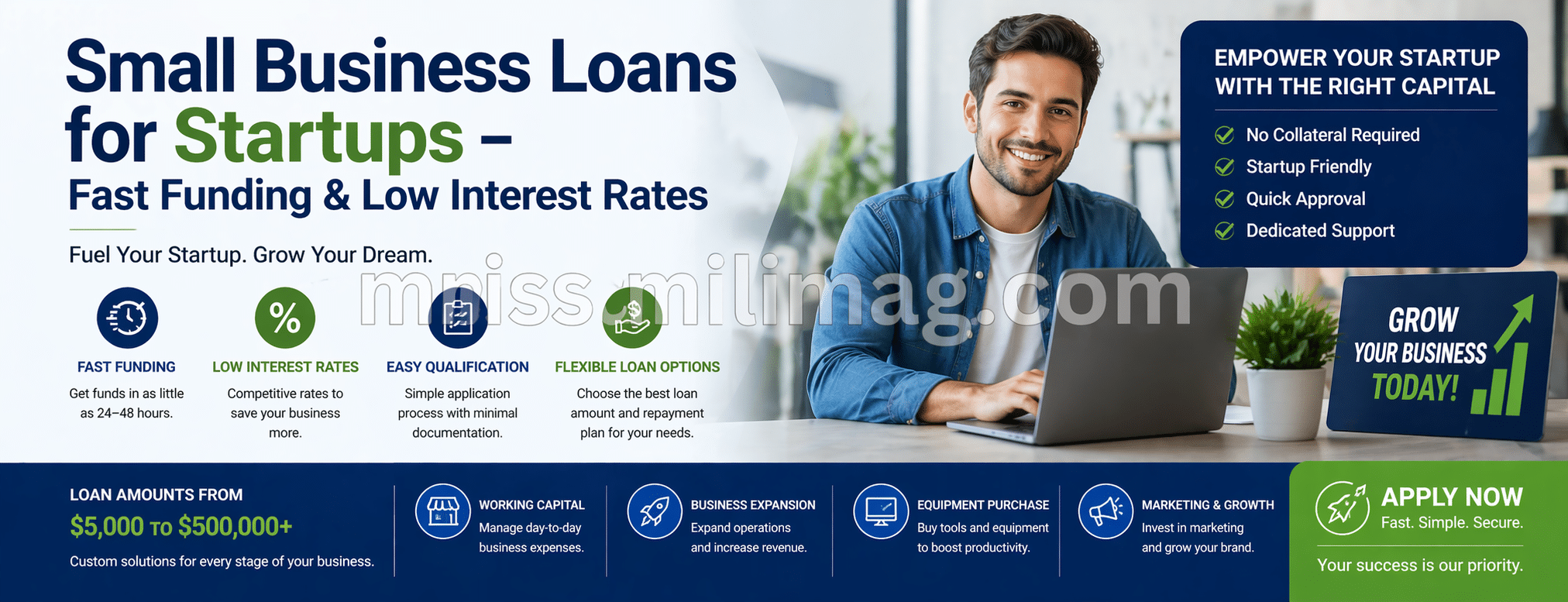
Small business loans are crucial financial instruments designed to provide funding to business owners, particularly startups that require capital to launch and grow. These loans can cover a range of expenses including equipment purchases, inventory, operational costs, and initial marketing strategies. For many entrepreneurs, understanding the distinction between various types of loans is essential to securing the best funding solution for their needs.
Startups often encounter unique challenges compared to established businesses, primarily due to their lack of track record. This factor influences the types of small business loans available to them. Potential borrowers must demonstrate a clear business plan, projected cash flows, and a solid understanding of their market to be considered for funding. Lenders tend to scrutinize new ventures closely due to the inherent risks associated with startups.
There are multiple types of small business loans that startups can explore. Traditional loans from banks and credit unions are typically accompanied by stringent eligibility criteria and require collateral. On the other hand, alternative lending sources such as online lenders or peer-to-peer platforms often provide more accessible loan options, albeit at higher interest rates. Other forms of financial assistance include microloans and grants, which can offer less conventional pathways to funding without the burden of repayment.
Small business loans serve as a lifeline for startups, addressing specific financial requirements that arise during their initial stages. The ability to access funds quickly can significantly influence the success of a new business, allowing entrepreneurs to invest in essential resources and overcome early operational hurdles. Therefore, understanding the various aspects of small business loans not only empowers startups but also prepares them for engaging with potential lenders effectively.
Types of Small Business Loans Available for Startups
Starting a business often requires financial support, and understanding the different types of small business loans is crucial for startups. Each loan type has unique characteristics, serving different needs and circumstances.
Traditional Bank Loans: These are standard loans offered by banks. They typically require good credit scores and a solid business plan. Pros include lower interest rates compared to other options, but the cons can include rigorous application processes and lengthy approval times.
SBA Loans: The Small Business Administration (SBA) provides government-backed loans, making them a popular choice for startups. The benefits include lower down payments and longer repayment terms. However, the eligibility requirements can be stringent, and the application process may take longer due to the necessary documentation.
Microloans: Microloans are smaller loans, usually provided by non-profit organizations. They cater to businesses that may not qualify for traditional loans. The pros include less strict qualification criteria, while the cons often involve higher interest rates relative to the loan amount.
Online Lenders: An increasingly popular source for startup funding, online lenders offer quick access to funds with a streamlined application process. The benefits include faster funding times, but they may come with higher interest rates and fees, and may target startups that have established revenue streams.
Alternative Financing Options: These may include crowdfunding, peer-to-peer lending, and invoice financing. Alternative financing can be a flexible option, often with fewer eligibility criteria. However, entrepreneurs should consider potential risks, including varying terms and conditions associated with repayment.
Choosing the right type of small business loan depends on a startup’s specific needs, creditworthiness, and long-term business strategy. Assessing the pros and cons of each option is vital for making informed financial decisions.
How to Qualify for a Small Business Loan
Securing a small business loan, especially for startups, can be a complex process that requires careful consideration of various qualifications. One of the primary factors that lenders evaluate is the credit score of the business owner. A strong credit score is typically essential, as it reflects the individual’s creditworthiness and financial responsibility. Most lenders look for a credit score of at least 680; however, some alternative lenders may offer options for those with lower scores, albeit with higher interest rates.
Another critical component in securing a small business loan is the creation of a comprehensive business plan. This document should outline the business goals, target market, operating strategies, and funding requirements. A well-prepared business plan not only demonstrates the entrepreneur’s commitment but also serves as a roadmap for the lender, showcasing the feasibility and profitability of the startup.
Additionally, startups must present solid financial projections to illustrate their anticipated revenue, expenses, and profitability over the next few years. Lenders will closely scrutinize these figures to assess the risk associated with lending money to a new business. Accurate and realistic projections can significantly enhance the chances of loan approval.
Collateral may also play a role in the approval process. While not all lenders require collateral, having tangible assets to secure the loan can increase approval likelihood by providing the lender with assurance that they will recover funds should the business fail.
New entrepreneurs can improve their chances of receiving funding by meticulously preparing their application documents and considering alternative lenders if traditional banks are unavailable. Building relationships with banks, applying for loans with a co-signer, and seeking guidance from financial advisors are practical steps that can further support the loan application process.
Fast Funding Options for Startups
Securing fast funding is often essential for startups looking to kickstart their operations and navigate the challenges of establishing themselves in a competitive marketplace. Various options are available for entrepreneurs needing quick access to capital, each with its advantages and potential drawbacks.
One of the quickest ways to obtain funds is through quick loans. These loans are typically available from online lenders and can often be processed in a matter of days. Quick loans are generally unsecured, meaning that entrepreneurs do not need to provide collateral, but they may come with higher interest rates compared to traditional loans. Businesses should carefully assess their ability to repay such loans, accounting for the increased financial burden.
Peer-to-peer lending is another viable funding solution. This method connects lenders directly with borrowers via online platforms, enabling startups to secure funds more rapidly than through conventional banks. Interest rates can be competitive, and the application process is typically streamlined, making it suitable for startups that may lack extensive credit histories.
Crowdfunding has emerged as a popular alternative for quick funding as well, allowing entrepreneurs to raise small amounts of money from a large number of people through platforms such as Kickstarter or Indiegogo. This approach not only provides immediate capital but also allows startups to gauge public interest in their products before launch. However, startups must be aware that crowdfunding campaigns require extensive preparation and marketing efforts.
Finally, a line of credit offers flexibility in funding. Unlike a standard loan, a line of credit allows businesses to borrow funds up to a predetermined limit as needed, making it a useful option for managing unexpected expenses or cash flow gaps. However, startups need to be cautious as drawing on this credit can lead to accumulating debt if not managed responsibly.
While fast funding solutions provide quick access to much-needed capital, entrepreneurs should weigh the associated costs and risks carefully. Choosing the right funding option depends on the specific situation of the business, and thorough research is vital to ensure a financially sound decision.