
ETF Bid-Ask Spreads: The Trading Cost Beyond the Expense Ratio
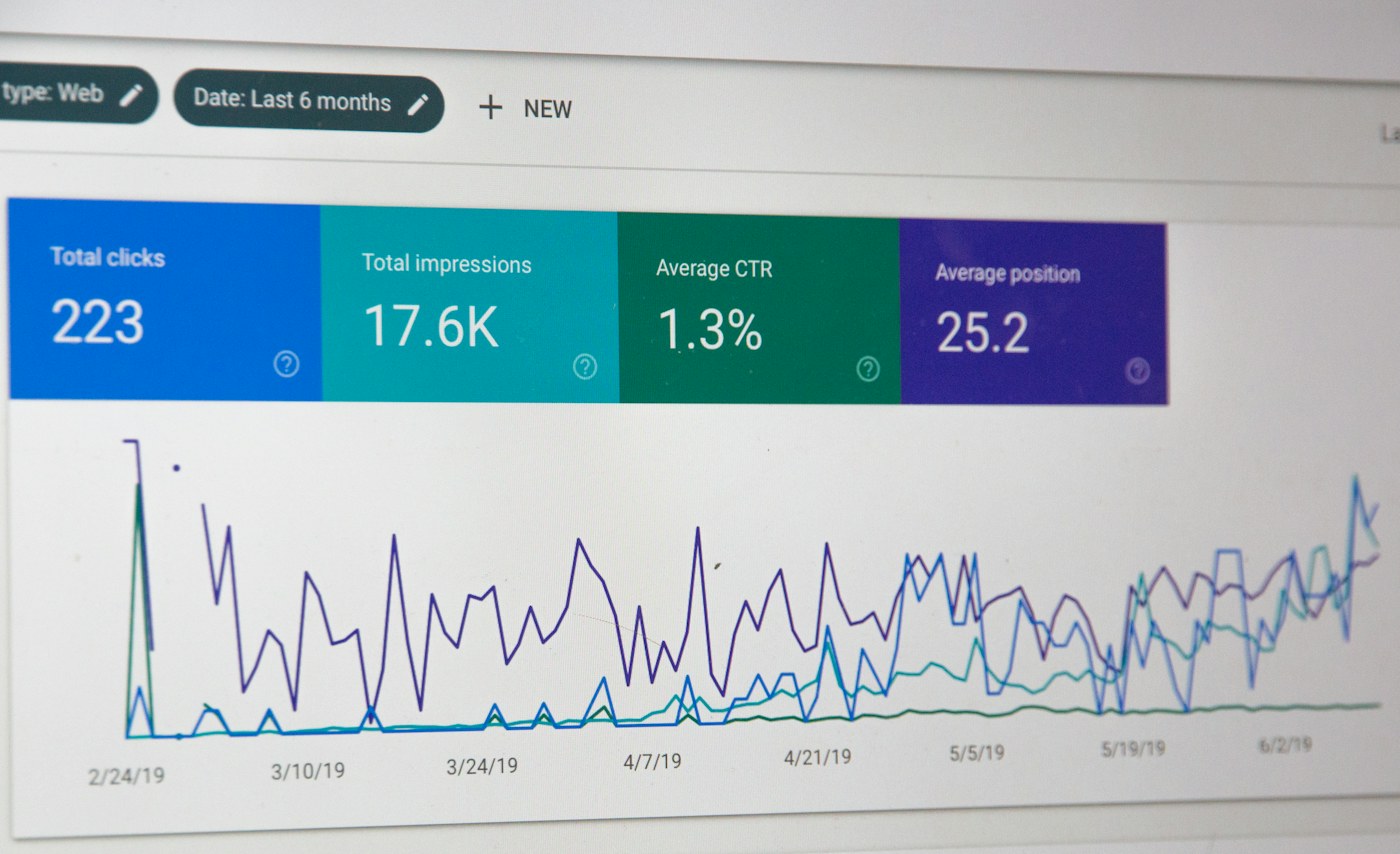
A low annual fee does not mean every ETF trade is cheap. Learn to inspect spreads, trade size and market conditions before placing an order.
An ETF's expense ratio is only one part of ownership cost. The bid-ask spread is the gap between the highest displayed buying price and the lowest displayed selling price at a particular moment. Crossing that gap can create a trading cost even when your broker charges no commission.
A Small Gap Can Still Matter
Suppose an ETF shows a $49.95 bid and a $50.05 ask. The spread is $0.10, or about 0.2% of the $50 midpoint. An immediate purchase at the ask followed by a sale at the bid would lose $0.10 per share if quotes did not change, before other costs.
For a single purchase, the cost relative to the midpoint is roughly half the spread under those assumptions. Actual execution can differ, and larger orders can face additional market impact if the displayed size is small.
What Changes the Spread?
Volatility, the liquidity of underlying holdings, dealer competition and whether relevant markets are open can all affect quotes. A fund's exchange trading volume alone does not capture every dimension of ETF liquidity.
Spreads can widen when underlying securities are difficult to value or trade. International funds deserve particular care when the markets holding their assets are closed. A historical median spread is useful context, not a promise about today's executable price.
Trade With Instructions You Understand
A limit order can control your acceptable price but may not execute. Avoid placing an order based only on a delayed last-trade quote. Inspect the bid, ask and available size and consider whether the trade is urgent.
Trading less often can reduce repeated spread costs, but portfolio decisions should still follow your allocation and liquidity needs. A very low expense ratio does not automatically offset a costly entry or exit.
Compare the Full Cost
Review the expense ratio, spread, premium or discount to net asset value, taxes and tracking results. Our expense-ratio guide covers the annual fee, while the ETF beginner guide explains fund structure.
Further Reading
See Vanguard's ETF fee explanation and the specific fund issuer's trading disclosures.
Frequently Asked Questions
Does commission-free mean cost-free?
Does a limit order remove every trading cost?
Related Articles
ETF Creation and Redemption: Why Authorized Participants Matter
A source-first framework for understanding ETF creation and redemption, testing the numbers and connecting the evidence to a disciplined portfolio decision.
Read More →
ETF Securities Lending: Revenue, Collateral and Hidden Trade-Offs
A source-first framework for understanding ETF securities lending, testing the numbers and connecting the evidence to a disciplined portfolio decision.
Read More →
Bond ETF Duration: Estimating Interest-Rate Sensitivity
A source-first framework for understanding bond ETF duration, testing the numbers and connecting the evidence to a disciplined portfolio decision.
Read More →
ETF Capital-Gains Distributions: What Taxable Investors Should Know
A source-first framework for understanding ETF capital-gains distributions, testing the numbers and connecting the evidence to a disciplined portfolio decision.
Read More →