
Dividend Payout Ratios: How to Check Whether Income Looks Sustainable

A large dividend yield can conceal a fragile payout. Compare dividends with earnings, cash flow and the demands on the business.
A dividend yield shows the relationship between a payout and a share price. It does not show whether the company can afford that payout. A payout ratio adds a funding perspective, but no single threshold can certify a dividend as safe.
Earnings Coverage Is the First Check
A common payout ratio divides common dividends by earnings attributable to common shareholders. Per-share figures can also be used when the periods and share definitions are consistent.
Suppose a hypothetical company earns $4 per share and pays $2 in annual dividends. The earnings payout ratio is 50%. If earnings fall to $1 while the dividend stays at $2, it becomes 200%. The same cash payment now has very different coverage.
One-time gains can flatter earnings, while a noncash charge can depress them. If earnings are negative, a conventional percentage may be unhelpful. Investigate the economics rather than treating an unusual denominator as a reliable signal.
Add the Cash-Flow Test
Compare total cash dividends with operating cash flow after necessary capital expenditure, using a clearly defined free-cash-flow measure. Check several years rather than a single period boosted by delayed supplier payments or temporarily lower investment.
Cash coverage can also vary by industry. REIT analysis often uses measures such as funds from operations, alongside capital needs and debt; do not compare these directly with an industrial company's earnings payout ratio without understanding the definitions.
Look Beyond the Ratio
Debt maturities, interest costs, cyclicality and management's capital-allocation priorities influence dividend capacity. A business can fund a dividend with cash reserves or borrowing for a time, but that does not make the policy sustainable indefinitely.
A high yield can arise because the stock price has fallen in anticipation of a cut. Review declared dividends and distinguish a trailing annual total from a forward estimate that assumes the latest payment continues.
Build a Dividend Checklist
Look for a credible source of recurring cash, manageable financing needs and room to absorb a downturn. Then consider valuation and diversification. Our dividend-investing guide explains how income fits into total return.
Further Reading
Read dividend announcements and cash-flow statements in the company's SEC filings.
Frequently Asked Questions
Is a payout below 50% automatically safe?
Does a long dividend history prevent a cut?
Related Articles
ETF Creation and Redemption: Why Authorized Participants Matter
A source-first framework for understanding ETF creation and redemption, testing the numbers and connecting the evidence to a disciplined portfolio decision.
Read More →
ETF Securities Lending: Revenue, Collateral and Hidden Trade-Offs
A source-first framework for understanding ETF securities lending, testing the numbers and connecting the evidence to a disciplined portfolio decision.
Read More →
Bond ETF Duration: Estimating Interest-Rate Sensitivity
A source-first framework for understanding bond ETF duration, testing the numbers and connecting the evidence to a disciplined portfolio decision.
Read More →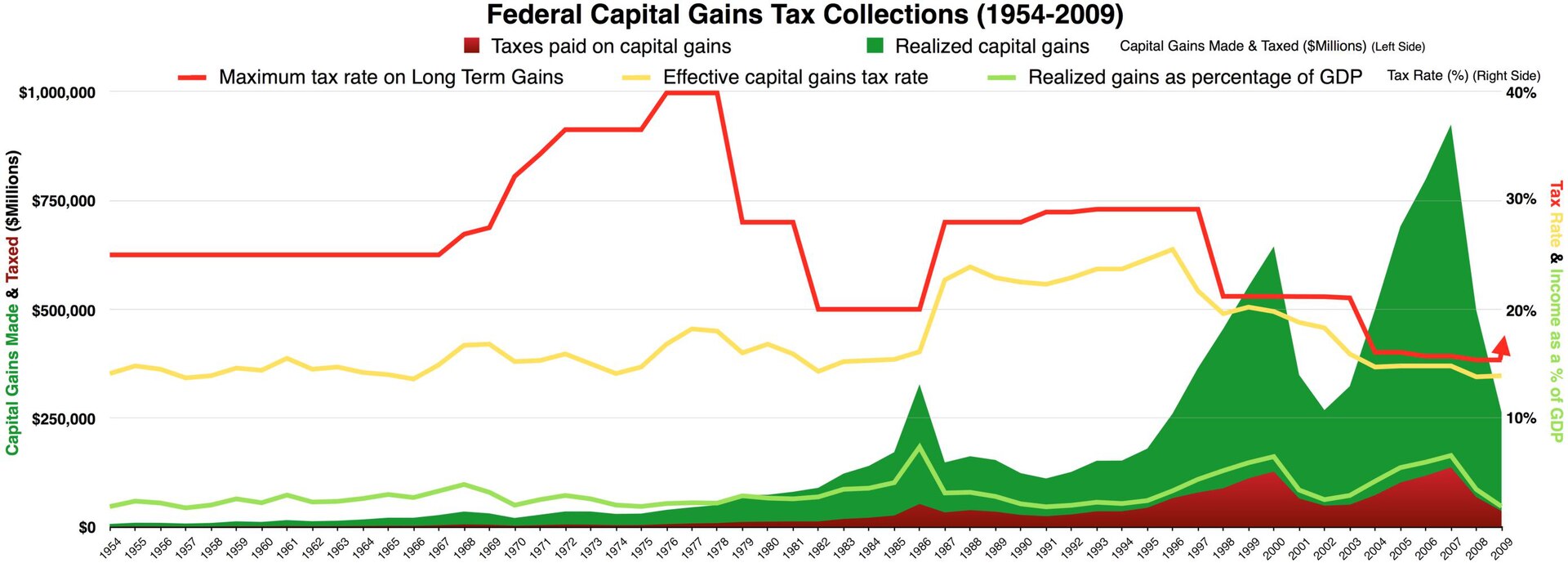
ETF Capital-Gains Distributions: What Taxable Investors Should Know
A source-first framework for understanding ETF capital-gains distributions, testing the numbers and connecting the evidence to a disciplined portfolio decision.
Read More →